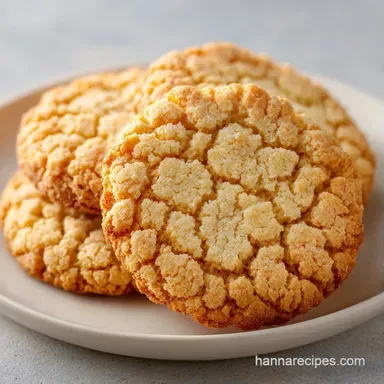
Soft Chewy Cookies: Velvety and Golden
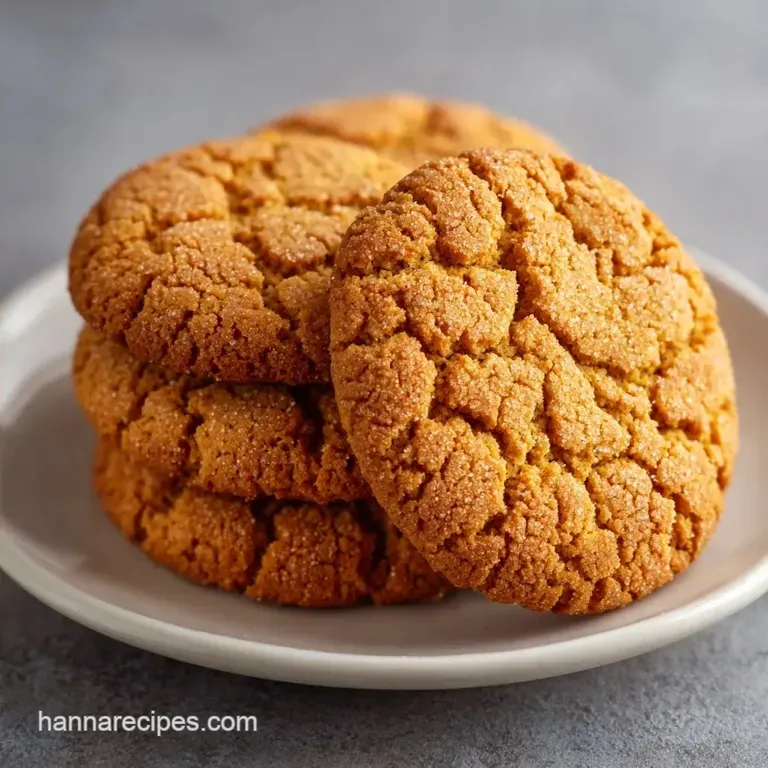
- Time: 10 min active + 30 min cooling/prep
- Flavor/Texture Hook: Velvety center with golden, buttery edges
- Perfect for: Last minute cravings or a foolproof dessert for guests
The smell of vanilla and melted chocolate filling a kitchen is probably the best scent in the world. I remember the first time I tried to make these, and I messed up big time. I thought "golden brown" meant they should be a deep tan all over, so I left them in for five extra minutes.
I ended up with a tray of sweet, chocolatey rocks that could have doubled as coasters.
But that's how I learned the most important lesson in baking: the oven is only half the job. The real magic happens on the cooling rack. If you pull them out when they still look a bit underdone, the carry over heat finishes the job without drying them out.
These Soft Chewy Cookies aren't about fancy tricks or expensive equipment. They're about getting the ratios right and trusting your eyes over the timer. Once you see that slightly wet center and those just barely browned edges, you'll never overbake a batch again.
The Best Soft Chewy Cookies
Right then, let's talk about why some cookies turn out like cake and others like crackers. To get a truly chewy result, you need to manage the moisture and the sugar. Most people just dump everything in a bowl and hope for the best, but the way you cream your butter and the type of sugar you use actually changes the molecular structure of the dough.
If you use too much white sugar, the cookies spread and get crisp. Too much flour, and you've got a muffin in cookie form. This recipe hits that sweet spot where the butter provides the richness, and the brown sugar provides the chew. It's a foolproof balance that works every time, even if your oven runs a little hot.
Believe me, I've spent way too much time staring at cookies through the oven glass. The secret is the "underbake." You want them to look slightly raw in the middle when they come out. It feels wrong, but trust me on this.
As they sit on the hot pan, the centers set into a velvety, soft texture that stays that way for days.
Why These Cookies Work
Understanding the "why" makes you a better baker. You stop guessing and start knowing. Here is what is actually happening inside your oven:
- Hygroscopic Sugar: Brown sugar contains molasses, which attracts water. This keeps the cookies moist and creates that signature bend instead of a snap.
- Leavening Balance: Baking soda reacts with the acidic brown sugar to create tiny bubbles, giving the cookies a slight lift without making them cakey.
- Fat Suspension: Softened butter traps air during the creaming process, which ensures the cookies aren't dense like fudge but still feel substantial.
- Controlled Spread: The ratio of flour to fat is tuned so the cookies spread just enough to get thin edges, but keep a thick, chewy center.
| Feature | Freshly Homemade | store-bought Shortcut | Impact |
|---|---|---|---|
| Texture | Velvety, soft center | Uniformly grainy or hard | Mouthfeel |
| Aroma | Natural vanilla and butter | Artificial vanilla scent | Sensory |
| Control | Adjustable sweetness | Fixed, often too sweet | Flavor |
Essential Ingredient Science
Not every ingredient is just for flavor. Some are there to do the heavy lifting in terms of structure.
| Ingredient | Science Role | Pro Secret |
|---|---|---|
| Brown Sugar | Moisture Retainer | Use dark brown sugar for a deeper, toffee like taste |
| Unsalted Butter | Structure/Fat | Room temp is key for a stable emulsion |
| Baking Soda | Chemical Lift | Ensure it's fresh or your cookies will stay flat |
| All Purpose Flour | Gluten Framework | Weigh it for consistency; scooping adds too much |
Required Ingredients List
Stick to these measurements. If you're using a cup, spoon the flour into the cup and level it off with a knife rather than packing it down. For more precision, according to King Arthur Baking, weighing your flour is the only way to ensure you don't accidentally add 20% more than the recipe calls for.
- 1 cup (225g) unsalted butter, softened Why this? Provides the fat needed for a velvety texture
- 3/4 cup (150g) granulated sugar Why this? Helps the edges get crisp and golden
- 3/4 cup (165g) packed brown sugar Why this? Essential for the chewy, moist center
- 2 large eggs, room temperature Why this? Binds everything and adds structure
- 2 tsp (10ml) vanilla extract Why this? Deepens the butter and sugar flavors
- 2 1/4 cups (280g) all purpose flour Why this? Provides the basic structure
- 1 tsp (5g) baking soda Why this? Creates the necessary rise
- 1/2 tsp (3g) salt Why this? Cuts through the sweetness
- 2 cups (340g) semi sweet chocolate chips Why this? Classic flavor and texture contrast
Quick Substitutions:
- Brown Sugar → Coconut sugar (Same texture, but adds a coconutty, caramel note)
- All Purpose Flour → Almond flour (Much denser, gluten-free, but requires an extra egg for binding)
- Unsalted Butter → Salted butter (Just omit the added salt in the recipe)
- Semi Sweet Chips → Dark chocolate chunks (More intense flavor, less sweet)
Necessary Baking Tools
You don't need a professional kitchen to make these, but a few basics make the process much easier.
- Large mixing bowl (for the wet base)
- Medium bowl (for the dry ingredients)
- Electric hand mixer or stand mixer (like a KitchenAid)
- Baking sheets (standard rimmed)
- Parchment paper or silicone mats (don't grease the pan, it makes them spread too much)
- Tablespoon or cookie scoop (for uniform sizing)
- Wire cooling rack
Step by step Process
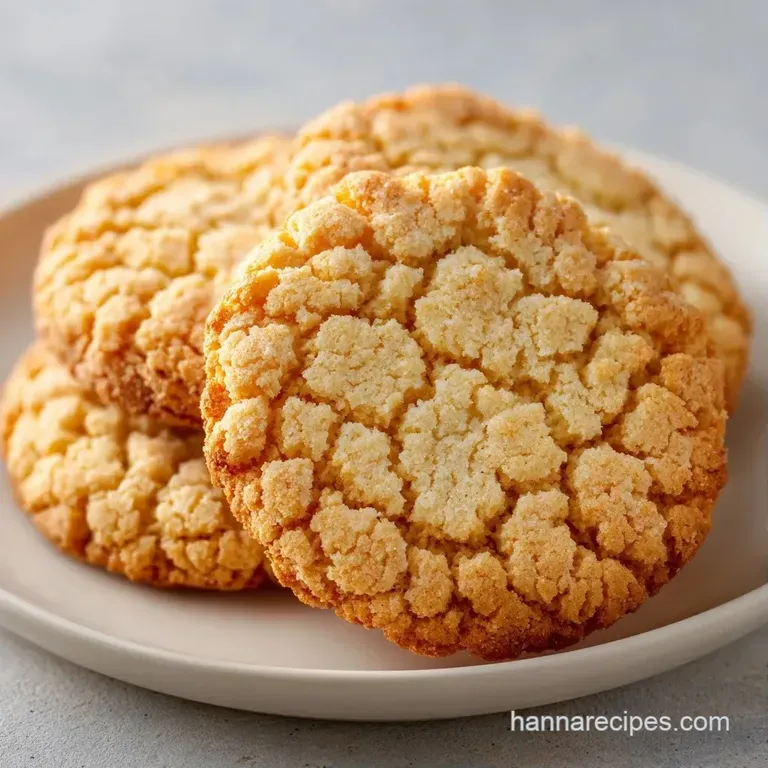
Let's get into it. Follow these steps and keep an eye on the visual cues.
- Preheat the oven to 350°F (175°C). Note: Let it fully preheat so the butter doesn't melt before the structure sets.
- Cream the softened butter, granulated sugar, and brown sugar in a large bowl. Beat for 2-3 minutes until the mixture is pale and fluffy.
- Stir in the eggs one at a time, then fold in the vanilla extract. Note: Add eggs slowly to keep the emulsion from breaking.
- Whisk the flour, baking soda, and salt together in a separate small bowl.
- Gradually add the dry ingredients to the wet. Mix on low speed until just combined.Note: Over mixing develops too much gluten, which makes the cookies cakey.
- Fold in the semi sweet chocolate chips by hand using a spatula.
- Scoop rounded tablespoons of dough and place them 2 inches apart on parchment lined baking sheets.
- Bake for 9-11 minutes. Remove them when the edges are golden but the centers still look slightly soft and wet.
- Let the cookies cool on the pan for 5-10 minutes to finish setting.
Chef's Note: If you want an even thicker cookie, pop the scooped dough balls into the freezer for 10 minutes before baking. This slows down the butter melt and prevents them from spreading too thin.
Fixing Common Issues
Even with a great recipe, things can go sideways. Usually, it's a temperature or measurement issue.
Troubleshooting Common Issues
| Issue | Solution |
|---|---|
| Why are my cookies too flat | This usually happens if your butter was too soft (almost melted) or if you used too much sugar. It can also happen if you've used the same baking sheet twice without letting it cool down in between. |
| Why is the texture cakey | Cakey cookies are the result of too much flour or over mixing the dough. When you beat the flour too much, you create a bread like structure instead of a dense, chewy one. |
| Why are they hard or crunchy | You likely overbaked them. Remember, they should look underdone when they leave the oven. If they are golden brown in the center, they've stayed in too long. |
Common Mistakes Checklist:
- ✓ Weighing flour instead of using a measuring cup.
- ✓ Using room temperature eggs to prevent the butter from curdling.
- ✓ Stopping the mixer the moment the flour disappears.
- ✓ Pulling the cookies out while the center still looks "wet".
- ✓ Cooling on the pan for at least 5 minutes.
Customizing Your Batch
Once you've nailed the base for these Soft Chewy Cookies, you can start playing with the flavors. The beauty of this ratio is that it's very stable.
If you want something different, try a Double Chocolate Twist by replacing 1/4 cup of flour with cocoa powder. It turns the cookie into something almost like a brownie. For a Nutty Crunch, add 1/2 cup of toasted walnuts or pecans along with the chocolate chips.
For those looking for a different vibe, you might enjoy my Vanilla Rich Chocolate Cookies recipe which use a slightly different sugar balance for an even deeper flavor. If you're feeling adventurous, you can try Air Fryer Soft Chewy Cookies by baking them at 320°F for about 7-8 minutes, though you'll have to do them in small batches.
Precision Checkpoints for Success:
- Butter Temp: Should be about 65-68°F (pliable but not greasy).
- Bake Time: Set your timer for 9 minutes and check every 30 seconds after.
- Center Look: The center should have a slight "dome" and look matte, not shiny, but not browned.
Freshness And Storage
These cookies stay soft for a surprisingly long time if you store them correctly.
Storage Guidelines: Keep them in an airtight container at room temperature for up to 5 days. To keep them extra soft, toss a small piece of white bread into the container; the cookies will absorb the moisture from the bread and stay velvety.
Freezing: You can freeze the baked cookies for up to 3 months. Just wrap them tightly in foil and then place them in a freezer bag. Thaw at room temperature for an hour, or zap them in the microwave for 10 seconds for that "fresh out of the oven" feel.
Zero Waste Tips: If you have leftover dough, don't let it sit in the fridge for weeks. Scoop it into balls and freeze them on a tray. Once frozen, toss them in a bag. Now you have a "single cookie" supply whenever the craving hits.
If you have broken cookies, crumble them up and use them as a topping for ice cream or a cheesecake crust.
Recommended Pairings
A great cookie is even better with the right accompaniment. Since these are quite rich and sweet, I like to pair them with something that has a bit of acidity or bitterness to balance it out.
A cold glass of whole milk is the classic choice, but a bold espresso or a dark roast coffee really brings out the molasses notes in the brown sugar. If you're serving these at a party, they go great alongside a platter of fresh berries like raspberries or blackberries.
If you're looking for another dessert to round out a spread, a slice of Black Forest Cake provides a tart cherry contrast that pairs perfectly with the richness of these chocolate chips. Just make sure you have plenty of napkins, because these are meant to be eaten while they're still a little gooey.
Right then, you're all set. Just remember to trust your eyes and pull them out early. Happy baking!
Recipe FAQs
What ingredient makes cookies chewier?
Brown sugar. Its molasses content attracts moisture, which keeps the cookie soft and chewy rather than crisp.
How to make thick chewy chocolate chip cookies?
Mix the dry ingredients by hand or on low speed until just combined. Over mixing develops gluten, which creates a cakey structure instead of a dense, chewy one.
How to make the best chocolate chip cookies?
Cream the butter and sugars for 2-3 minutes until the mixture is pale and fluffy. This step incorporates the necessary air for the perfect lift and texture.
How to ensure the centers stay soft?
Remove them from the oven when the edges are golden but the centers still look slightly wet. They will finish setting on the hot pan for 5-10 minutes.
Is it true that over mixing the flour creates a chewier texture?
No, this is a common misconception. Over mixing leads to a bread like, cakey result; for a chewy cookie, you must stop mixing as soon as the flour disappears.
Can I use this method for other flavors?
Yes, by swapping the chocolate chips. If you prefer a simpler profile, the same moisture balancing logic works in our vanilla cookie.
How to prevent cookies from spreading too thin?
Use room temperature softened butter rather than melted butter. Additionally, ensure your baking sheets are completely cool before placing a new batch of dough on them.
Soft Chewy Cookies