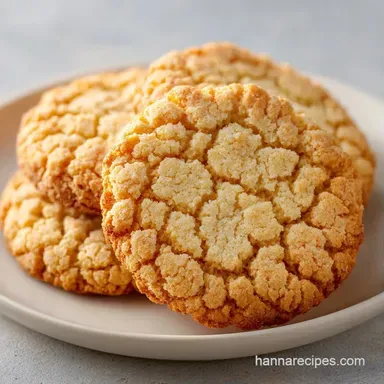
Chocolate Chip Soft Chewy Cookies

- Time: 20 min active + 10 min cooking + 24 h resting
- Texture: Dense, pliable centers with thin, golden edges
- Serve with: A chilled glass of milk or a steaming cup of coffee
How to Make Soft Chewy Cookies
The aroma of melted chocolate and toasted brown sugar drifts through the air well before you pull these from the oven. Each cookie has a distinctive chew, a soft bend in the center, and a slender, golden edge that provides a delicate snap.
You'll end up with a treat that rivals any professional pâtisserie. The secret is patience; allowing the dough to rest deepens the flavor and ensures a texture that remains substantial.
These soft chewy cookies are a success thanks to a particular sugar ratio and a long chill. It is a basic method, but the timing is what makes them special.
Why This Recipe Works
- Brown Sugar Ratio: Using more brown sugar than white adds moisture and acidity, which keeps the center soft and gives it a slight chew.
- Cold Fat: Chilling the dough for a full day prevents the butter from melting too quickly in the oven, so the cookies stay thick instead of spreading into pancakes.
- Underbaking: Pulling the tray while the centers look slightly raw lets carryover heat finish the job without drying them out.
Fresh vs. store-bought Dough
| Feature | Fresh from Scratch | store-bought Tub | Impact |
|---|---|---|---|
| Flavor | Deep, caramelized notes | Generic sweetness | Huge difference in richness |
| Texture | Chewy and dense | Often cakey or thin | Better mouthfeel with fresh |
| Time | 24 hours wait | 10 minutes | Convenience vs. Quality |
Ingredient Deep Dive
- 1 cup (225g) unsalted butter, softened
- 3/4 cup (150g) packed light brown sugar
- 1/2 cup (100g) granulated white sugar
- 2 large eggs, room temperature
- 2 tsp (10ml) pure vanilla extract
- 2 1/4 cups (280g) all-purpose flour
- 1 tsp (5g) baking soda
- 1/2 tsp (3g) fine sea salt
- 2 cups (340g) semi-sweet chocolate chips
| Ingredient | What It Does | Best Swap |
|---|---|---|
| Unsalted Butter | Adds richness and stability | Salted butter (decrease added salt) |
| Brown Sugar | Creates a moist, chewy texture | Dark brown sugar for a deeper molasses flavor |
| Baking Soda | Promotes better browning | Baking powder (yields a cakier result) |
| All-Purpose Flour | Provides the main structure | 1:1 gluten-free blend |
The Grocery List
- Unsalted butter, softened: 1 cup (225g) Why this? Softened butter creams better with sugar.
- Packed light brown sugar: 3/4 cup (150g)
- White granulated sugar: 1/2 cup (100g)
- Large eggs, room temperature: 2
- Pure vanilla extract: 2 tsp (10ml)
- All-purpose flour: 2 1/4 cups (280g)
- Baking soda: 1 tsp (5g)
- Fine sea salt: 1/2 tsp (3g)
- Semi-sweet chocolate chips: 2 cups (340g)
Necessary Kitchen Tools
Professional gear isn't required, but some basics make it easier. Using a stand mixer (like a KitchenAid) makes it simpler to cream the butter, although an electric handheld mixer is perfectly acceptable. A cookie scoop ensures consistent portions, and parchment paper keeps everything from sticking.
Step-by-step Instructions
Phase 1: Mixing
Step 1: Preheat the oven to 350°F (180°C) and line baking sheets with parchment paper.
Step 2: In a large bowl, cream 225g softened unsalted butter, 150g light brown sugar, and 100g granulated white sugar on medium-high speed for 2-3 minutes until the mixture looks pale and fluffy.
Step 3: Add 2 large eggs one by one, blending each thoroughly before stirring in 10ml pure vanilla extract.
Step 4: In a separate bowl, whisk together 280g all-purpose flour, 5g baking soda, and 3g fine sea salt.
Step 5: Switch to low speed and stir the flour mixture into the wet ingredients until just combined. Note: Stop immediately to avoid a tough texture.
Step 6: Use a spatula to fold in 340g semi-sweet chocolate chips by hand.

Phase 2: The Chill
Step 7: Use a cookie scoop to form the dough into balls of about 3-4 tablespoons (approx 58g) each.
Step 8: Arrange the dough balls on a tray, cover them tightly with plastic wrap, and refrigerate for 24 hours. This resting period is the most critical step for creating soft chewy cookies.

Phase 3: The Bake
Step 9: Space the chilled dough balls 2 inches apart on the prepared baking sheets.
Step 10: Set the timer for 9-11 minutes and bake until the edges are barely golden brown, while the centers remain soft and slightly underbaked.
Step 11: Let the cookies sit on the hot baking sheet for 5-10 minutes to firm up.

Problems and Solutions
Fixing Flat Cookies
If your cookies spread too much, the butter may have been too soft or the dough required more resting time. Make sure the dough feels cold to the touch before placing it in the oven. If you are short on time, a 30-minute flash-chill can assist, although it is not as effective as the full 24 hours.
Fixing Cakey Texture
A cake-like consistency usually results from overworking the flour or adding too much of it. To avoid packing the flour down, spoon it into the measuring cup rather than scooping it. For a different texture, you can try this vanilla rich chocolate version if you prefer a denser cookie.
Fixing Burnt Bottoms
Darker baking sheets absorb more heat, which can scorch the bottoms before the tops are fully baked. Use light-colored aluminum pans or double your parchment paper to create a protective buffer.
Creative Twists and Swaps

You can easily change the mix-ins. For a "Kitchen Sink" style, add 1/2 cup of chopped pretzels and toasted pecans. If you want something smaller and faster, a small batch recipe is great for when you can't wait a full day.
Double Chocolate
Swap 1/4 cup of flour for 1/4 cup of unsweetened cocoa powder. This makes the base a deep brown, which pairs well with white chocolate chips.
White Chocolate Macadamia
Replace the semi-sweet chips with white chocolate and 1 cup of chopped macadamia nuts for a buttery, tropical flavor.
Storage and Reheating
Keep these in an airtight container at room temperature for up to 5 days. To keep them soft, tuck a piece of white bread into the container. The cookies pull moisture from the bread, preventing them from hardening.
You can freeze unbaked dough balls on a tray, then move them to a freezer bag for up to 3 months. Bake them directly from frozen, but add 2 minutes to the cook time. To get that fresh-baked feel again, microwave a single cookie for 10 seconds.
Presentation Tips
For those bakery-style ripples, press a few extra chocolate chips into the tops of the balls right before they go in the oven. Once they come out, let them cool for 5 minutes, then use a circular glass or a large round cutter to gently scoot the edges inward.
This rounds out the cookie and concentrates the chewy center.
Before You Start Cooking
What flour is best for cookies?
All-purpose flour provides the ideal protein level for a soft yet stable cookie.
Tip: measure by weight for the most consistent results.
How can I make cookies soft and chewy?
Refrigerate the dough balls for 24 hours before baking to concentrate the flavors and prevent spreading.
Tip: use a tight plastic wrap to keep the dough from drying out.
What makes cookies soft vs. crunchy?
The balance of light brown sugar and granulated white sugar determines the final texture.
Tip: brown sugar adds moisture and chewiness that white sugar alone cannot provide.
Why do the cookies spread flat or stay thick and puffy like snowballs?
Butter temperature and dough chilling time directly control how much the cookies spread.
Tip: avoid using melted butter as it causes the cookies to flatten too quickly.
Why is the dough dry, floury, or sandy?
Overmixing the dry ingredients into the wet mixture creates a coarse or tough dough.
Tip: stir on low speed only until the white streaks of flour disappear.
Why are the centers still raw when the time on the recipe is reached?
Inefficient air circulation or a cool oven can leave the centers undercooked.
Tip: ensure you leave 2 inches of space between each ball on the tray.
Why did the cookies come out greasy or wet with pooled butter?
Using butter that is too soft or underbaking causes the fat to separate.
Tip: let them rest on the hot baking sheet for 5-10 minutes to fully set.
Can the dough be made ahead, chilled overnight, or frozen and baked straight from frozen?
Yes, the dough can be frozen for up to 3 months and baked directly from the freezer.
Tip: add 2 minutes to the cook time for frozen dough, or try our 3 ingredient cookies for a quicker option.
Soft Chewy Chocolate Chip Cookies