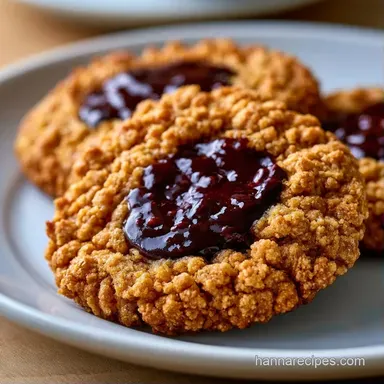
Fast Chocolate Chip Cookies: Velvety Soft Centers
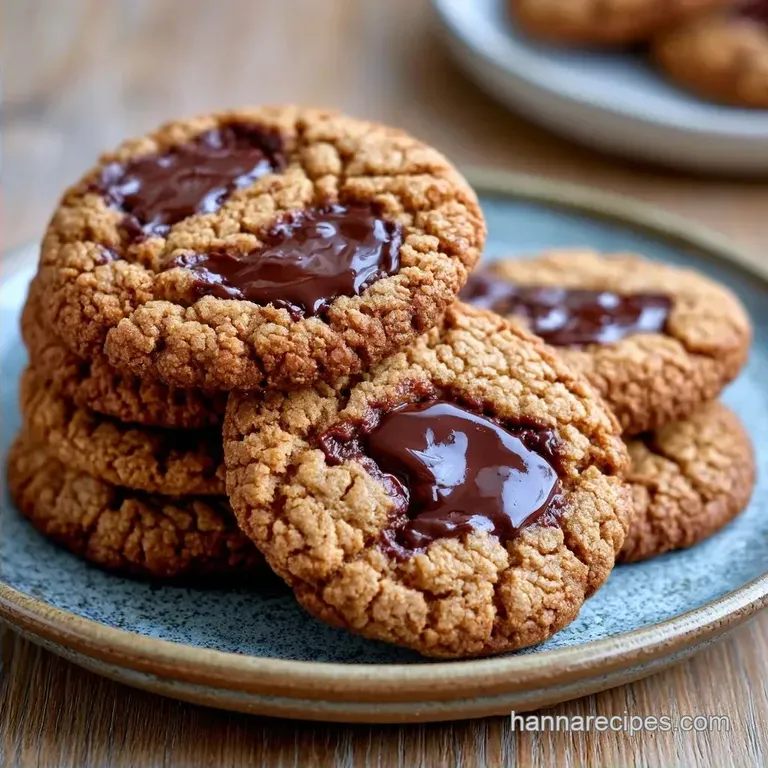
- Time: 10 min active + 15 min baking = Total 25 mins
- Flavor/Texture Hook: Browned edges with a velvety, soft center
- Perfect for: Late night cravings or last minute bake sales
The smell of melting butter and vanilla hitting a hot pan is basically a hug in scent form. I remember one specific night where I tried to make a "classic" batch for a friend's birthday, but the recipe demanded a 24 hour chill in the fridge.
By the time the dough was "ready," I was exhausted, and the cookies ended up smelling like the leftover garlic shrimp that had been sitting in my fridge. It was a disaster.
That's when I started obsessing over how to get that same deep, caramelized flavor without the overnight wait. I realized the problem wasn't the lack of chilling, but the way the fat was incorporated. Most people treat butter like a building block, but if you treat it like a sauce, you can bypass the wait.
These Fast Chocolate Chip Cookies are the solution to the "pancake effect" where your cookies spread into one giant sheet. By balancing the melted butter with a specific ratio of brown sugar, we get a chew that rivals the slow baked versions.
You'll get a cookie that holds its shape but stays soft in the middle, without needing to plan your life around a refrigerator schedule. If you usually struggle with cookies that feel more like cake than candy, you're in the right place.
Fast Chocolate Chip Cookies Made Easy
The biggest hurdle with quick recipes is usually the texture. You either get something too runny or something that tastes like raw flour. I've found that the secret to this recipe is the temperature of the butter. It needs to be melted, yes, but not boiling.
If it's too hot, it breaks the egg emulsion, and that's why some of your previous attempts might have looked oily or spread too thin.
When you first mix the sugars into the melted butter, it won't look like traditional dough. It'll look more like a thick syrup. This is actually a good thing. It means the sugar is dissolving into the fat, which creates those tiny air pockets that eventually turn into a chewy, velvety crumb.
Honestly, don't even bother with low-fat butter here. You need the full fat content to carry the vanilla and chocolate flavors.
For those who love a more traditional approach, you can check out my Classic Homemade Cookies guide, but for when you need a fix now, this method is the way to go. It's a streamlined process that focuses on the essential chemistry of a great cookie.
Why the Melted Butter Wins
The logic here is simple. When you cream cold butter and sugar, you're trapping air. That's great for cakes, but for a chewy cookie, we actually want less air and more density.
The Quick Fix Science:
- Sugar Dissolution: Melted butter dissolves brown sugar faster, creating a denser, fudgier structure.
- Fat Distribution: The liquid fat coats the flour particles more evenly, reducing gluten development.
- Rapid Browning: Since there's no cold fat to melt in the oven, the sugars begin to caramelize almost immediately.
- Moisture Balance: Using a room temperature egg prevents the melted butter from seizing, keeping the batter smooth.
| Feature | Fast Method (This Recipe) | Classic Method | Best For |
|---|---|---|---|
| Butter State | Melted | Creamed (Cold) | Texture preference |
| Rest Time | 0 minutes | 2-24 hours | Schedule |
| Center Texture | Chewy/Fudgy | Soft/Cakey | Craving type |
| Edge Texture | Crisp/Shatter | Golden/Soft | Bite feel |
This approach changes how the heat interacts with the dough. Instead of waiting for the butter to melt and then the cookies to spread, they start their transformation the moment they hit the sheet.
Component Analysis
| Ingredient | Science Role | Pro Secret |
|---|---|---|
| Brown Sugar | Adds moisture and acidity | Use dark brown sugar for a deeper, molasses like taste |
| Baking Soda | Reacts with brown sugar | Sift it to avoid those bitter little brown clumps |
| All Purpose Flour | Provides the structure | Spoon it into the cup; don't scoop or you'll add too much |
| Semi Sweet Chips | Adds fat and sweetness | Use chips with a higher cocoa percentage for less sugar |
Essential Ingredient Specs
Right then, let's get into what you actually need. I've kept this list tight because every ingredient here serves a purpose. If you start adding random things, you'll mess with the hydration ratio, and that's how you end up with those "cakey" cookies we're trying to avoid.
- ½ cup (115g) unsalted butter, melted and slightly cooled Why this? Provides the richness and the chewy base.
- ¾ cup (150g) brown sugar, packed Why this? The molasses makes it chewy and dark.
- ¼ cup (50g) granulated white sugar Why this? Helps the edges get that crisp shatter.
- 1 large egg, room temperature Why this? Binds everything without curdling the butter.
- 1 tsp (5ml) vanilla extract Why this? Cuts through the fat with floral notes.
- 2 cups (250g) all purpose flour Why this? Standard protein for a balanced bite.
- 1 tsp (5g) baking soda Why this? Creates the lift and browning.
- ½ tsp (3g) salt Why this? Balances the sugar; don't skip it!
- 1 ½ cups (255g) semi sweet chocolate chips Why this? Classic contrast to the sweet dough.
Smart Ingredient Swaps
| Original Ingredient | Substitute | Why It Works |
|---|---|---|
| Unsalted Butter | Salted Butter | Same fat. Note: Reduce the added salt by ¼ tsp. |
| Brown Sugar | Coconut Sugar | Similar moisture. Note: Result is slightly grainier and earthier. |
| All Purpose Flour | White Whole Wheat | Higher fiber. Note: Denser crumb and slightly nuttier flavor. |
| Semi Sweet Chips | Dark Chocolate Chunks | Higher cocoa. Note: Less sweet, more intense chocolate punch. |
When measuring your flour, I highly recommend using a digital scale if you have one. According to King Arthur Baking, a cup of flour can vary significantly depending on how it's packed, which is the number one reason cookies come out too dry.
The Right Baking Gear
You don't need a professional kitchen for these, but a few specific tools make the process a lot smoother. I usually use a simple whisk and a rubber spatula. Avoid using a heavy stand mixer for this specific recipe, as it's too easy to overwork the dough.
- Baking Sheet: A heavy duty rimmed tray.
- Parchment Paper: This is non negotiable. Greasing the pan is old school and often leads to uneven browning.
- Mixing Bowls: One medium bowl for the wet stuff, one larger one for the final dough.
- Measuring Tools: Digital scale (preferred) or standard measuring cups.
- Spatula: A silicone one for folding in the chips without deflating the batter.
Step by step Baking Guide
Let's crack on. The key here is speed and precision. Don't overthink the mixing, or you'll develop too much gluten, which makes the cookies tough instead of tender.
1. Create the Sweet Base
Whisk together the melted butter, brown sugar, and white sugar in a medium bowl. Do this until the mixture is smooth and no lumps remain. Stir in the egg and vanilla extract until the batter looks glossy. Note: The "glossy" look tells you the egg has fully emulsified with the fat.
2. Incorporate Dry Ingredients
Sift the flour, baking soda, and salt directly into the wet mixture. Using a spatula, fold the mixture gently. Stop the moment you see no more streaks of white flour. Note: Over mixing here is the fastest way to get a cakey cookie.
3. Add the Chocolate
Fold in the semi sweet chocolate chips until they are evenly distributed. Don't smash the dough; just swirl the chips in.
4. Prep the Sheet
Line your baking sheet with parchment paper. This ensures the cookies slide right off and don't stick to the bottom.
5. Scoop the Dough
Scoop rounded tablespoons of dough onto the sheet. Space them about 2 inches apart because they will spread.
6. Set the Heat
Preheat your oven to 350°F (175°C). Make sure the rack is in the center position for even heat distribution.
7. Bake to Perfection
Bake for 10–12 minutes until the edges are golden brown but the centers still look slightly underbaked. This is the most critical part.
8. The Final Rest
Remove them from the oven and let them sit on the hot tray for 5 minutes. They'll finish cooking through the residual heat, ensuring that velvety center.
Fixing Common Baking Errors
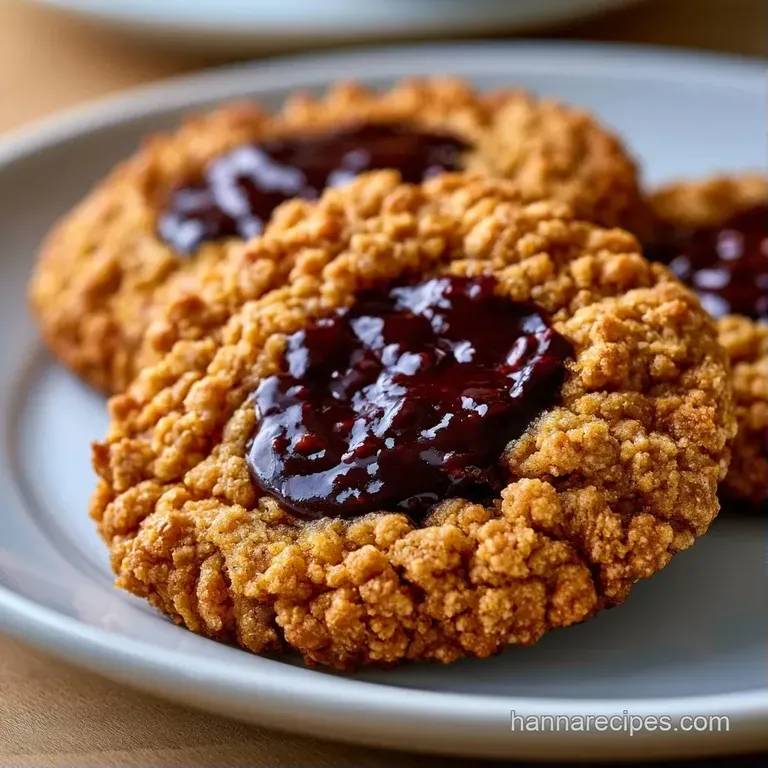
Even with a foolproof plan, things happen. Maybe your oven runs hot, or you accidentally used too much flour. The most common issue I see with Fast Chocolate Chip Cookies is the "spread" problem.
Troubleshooting Common Issues
| Issue | Solution |
|---|---|
| Why Your Cookies Spread Too Thin | This usually happens if the butter was boiling hot when you added the sugar, or if your baking sheet was still warm from a previous batch. |
| Why Your Cookies Feel Cakey | If you used a measuring cup to scoop flour directly from the bag, you probably packed too much in. Too much flour absorbs all the moisture, turning a chewy cookie into a miniature muffin. |
| Why the Bottoms Burnt First | This is often a sign of a thin baking sheet or a bottom heating element that's too strong. Using a parchment liner helps, but a double pan method (stacking two sheets) can insulate the bottom. |
Precision Checklist:
- ✓ Oven calibrated to exactly 175°C.
- ✓ Flour measured by weight (250g).
- ✓ Butter cooled slightly after melting.
- ✓ Cookies removed while centers still look "soft".
- ✓ 5 minute rest on the pan before moving.
Customizing Your Cookie Batch
Once you've nailed the base, you can start playing around. I love adding a pinch of flaky sea salt on top immediately after they come out of the oven. It cuts through the sugar and makes the chocolate taste more intense.
If you're in the mood for something even more decadent, you can swap the semi sweet chips for chunks of high-quality dark chocolate. For a different kind of treat, you might enjoy my Brownies in 35 Minutes recipe, which use a similar melted butter technique for that dense, rich texture.
Quick Decision Guide:
- Want more chew? Increase brown sugar by 2 tbsp and decrease white sugar by the same amount.
- Want a nutty crunch? Add ½ cup of toasted walnuts or pecans.
- Want a "bakery" look? Press 3 extra chocolate chips into the top of each dough ball before baking.
Freshness and Waste Tips
These cookies stay soft for surprisingly long because of the brown sugar's hygroscopic nature (it holds onto moisture). But if you leave them on the counter, they'll eventually dry out.
Storage Guidelines:
- Fridge: Store in an airtight container for up to 5 days.
- Freezer: You can freeze the baked cookies for up to 3 months. Just wrap them tightly in foil.
- Reheating: Pop a cold cookie in the microwave for 10 seconds to bring back that velvety, just baked feel.
Zero Waste Tips: Don't throw away the leftover bits of dough stuck to the bowl! I usually scrape everything into a small ramekin and bake it as one "giant cookie" for myself.
Also, if you have leftover chocolate chips, freeze them in a small bag; they stay fresh and are great for stirring into morning oatmeal.
Best Ways To Serve
The best way to eat these is while they are still slightly warm, with a glass of cold milk or a strong espresso. The bitterness of the coffee balances the sweetness of the chocolate perfectly.
If you're serving these for a party, try stacking them in a pyramid on a wooden board. It looks a bit more intentional and makes the presentation feel a bit more special without any extra effort. Trust me on this: a sprinkle of coarse salt on top is what separates a "home cookie" from a "bakery cookie."
Right then, you're all set. Now go fire up that oven and get some Fast Chocolate Chip Cookies on the table!
Recipe FAQs
How to make chewy chocolate chip cookies?
Bake at 350°F (175°C) for 10 12 minutes. Remove them from the oven when the edges are golden brown but the centers still look slightly underbaked.
How to make thick chocolate chip cookies?
Scoop rounded tablespoons of dough onto a parchment lined sheet. This added height prevents the cookies from spreading too thin during the baking process.
Why did my cookies spread too thin?
The butter was likely too hot or the baking sheet was warm. Ensure the melted butter is slightly cooled before mixing to maintain the dough's structure.
Why do my cookies feel cakey?
Too much flour was likely added to the batter. Scooping flour directly from the bag often packs the measuring cup too tightly, which absorbs excess moisture.
How to get a glossy batter?
Stir the egg and vanilla extract into the butter and sugar mixture. Mix until the batter looks smooth and reflective before adding the dry ingredients.
Is it true that overmixing the dough creates a better texture?
No, this is a common misconception. Folding the flour just until streaks disappear prevents gluten development, which keeps the cookies tender rather than tough.
How to make the best chocolate chip cookies?
Combine melted butter and sugars before folding in the dry ingredients. This creates a rich, chewy consistency. If you enjoyed mastering the texture here, see how the same principle works in our fruit pizza cookies.
Fast Chocolate Chip Cookies