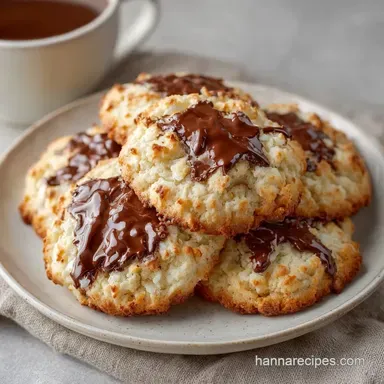
White Sugar Chocolate Cookies: Crisp and Buttery
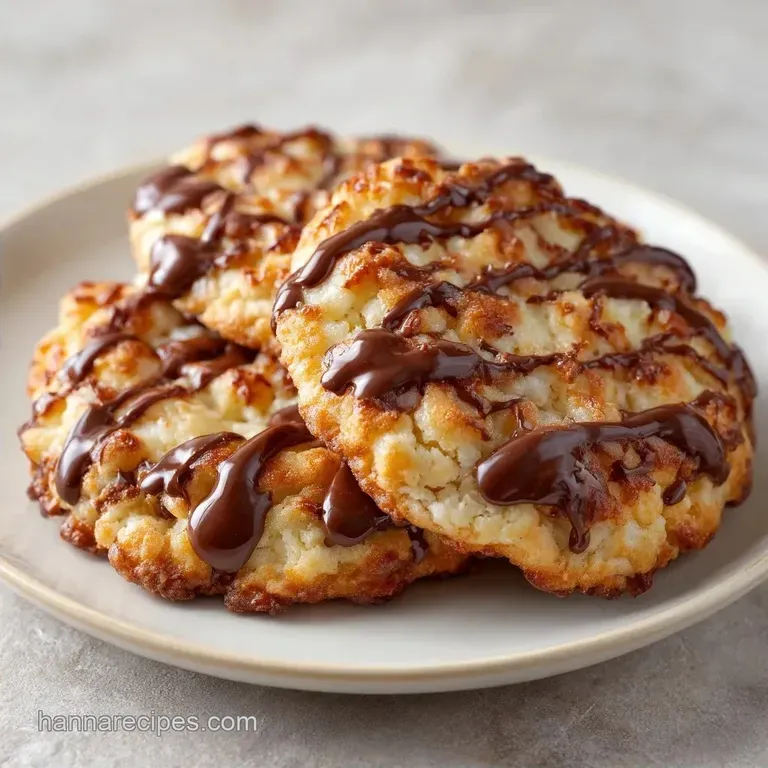
- Time: 15 min active + 30 min chilling
- Flavor/Texture Hook: Shatter crisp edges with a soft, buttery center
- Perfect for: Quick baking when you're out of brown sugar or want a lighter sweetness
- White Sugar Chocolate Cookies
- Why the Dough Stays Thick
- Precision Baking Checkpoints
- Component Analysis
- The Shopping List
- Essential Kitchen Gear
- Step-by-Step Process
- Fixing Common Issues
- Customizing Your Batch
- Adjusting the Batch Size
- Chocolate Preparation Comparison
- Cookie Myths
- Freezing and Storage
- Best Pairing Ideas
- Recipe FAQs
- 📝 Recipe Card
I remember the first time I tried making cookies with only white sugar. I thought, "It's just sugar, right?" Wrong. I pulled the tray out of the oven and found one giant, greasy chocolate sheet that had merged into a single, thin cracker. It was an absolute disaster.
I had completely ignored how white sugar behaves differently than the brown stuff, and my kitchen smelled like burnt caramel and regret.
The fix wasn't about changing the ingredients, but about controlling the temperature. Once I realized that white sugar doesn't hold onto moisture the way brown sugar does, I changed my approach to the fat and the resting time.
Now, I use this method whenever I want a cookie that feels a bit lighter and cleaner on the palate.
You can expect a cookie that has a beautiful golden mahogany ring around the outside and a center that stays velvety. These White Sugar Chocolate Cookies are foolproof if you follow the timing, especially the cooling part. Trust me on this, don't skip the fridge.
White Sugar Chocolate Cookies
The biggest hurdle with this recipe is the "puddle effect." Because granulated sugar is more hygroscopic and lacks the acidity of molasses, the dough tends to spread faster in the heat. To combat this, we use a high speed creaming method to lock in air and a mandatory chill to solidify the butter.
If you've ever wondered why some cookies feel "gritty," it's usually because the sugar didn't dissolve into the butter properly. By whipping the butter and sugar for a full three minutes, we create a stable emulsion.
This ensures the sugar crystals are small enough to melt smoothly, giving you that professional, melt in-your mouth feel.
Right then, let's get into how this actually works. If you're looking for other variations, you might enjoy my Simple Homemade Cookies for an even faster version.
Why the Dough Stays Thick
- Fat Solidification: Chilling the dough for 30 minutes ensures the butter doesn't melt instantly upon hitting the oven heat, which prevents the cookies from flattening.
- Air Incorporation: Beating the butter and sugar on medium high creates tiny air pockets that provide lift, compensating for the lack of brown sugar's structure.
- Moisture Control: White sugar creates a drier dough than brown sugar, leading to a crispier edge that "sets" faster in the oven.
- Protein Setting: Room temperature eggs blend better with the fats, creating a more stable batter that holds the chocolate chips in place.
Precision Baking Checkpoints
Since baking is basically a chemistry experiment, these three numbers are non negotiable for a consistent result.
| Checkpoint | Exact Target | Why It Matters |
|---|---|---|
| Butter Temp | 65-68°F (18-20°C) | Too soft = puddles; too cold = no air |
| Creaming Time | 3 Minutes | Ensures sugar is fully integrated |
| Oven Temp | 350°F (175°C) | The sweet spot for mahogany edges |
Component Analysis
Understanding what each part does helps you avoid mistakes. According to King Arthur Baking, the type of sugar used drastically changes the spread and chew of a cookie.
| Ingredient | Science Role | Pro Secret |
|---|---|---|
| Unsalted Butter | Provides structure and flavor | Use European style for more richness |
| White Sugar | Creates crispness and sweetness | Don't over mix after adding flour |
| Baking Soda | Causes the dough to rise | Fresh soda = better browning |
| All Purpose Flour | Provides the gluten framework | Spoon and level for accuracy |
The Shopping List
Get these exact items. Don't bother with low-fat butter or margarine, as they have too much water and will make the cookies spread.
- 1 cup (225g) unsalted butter, softened Why this? High fat content for a velvety crumb
- 1 ½ cups (300g) granulated white sugar Why this? Gives the signature crisp edge
- 2 large (100g) eggs, room temperature Why this? Emulsifies the fats and liquids
- 2 tsp (10ml) pure vanilla extract Why this? Rounds out the sharp sweetness
- 2 ¼ cups (280g) all purpose flour Why this? Standard protein for a balanced bite
- 1 tsp (5g) baking soda Why this? Essential for the golden color
- ½ tsp (3g) salt Why this? Balances the sugar
- 2 cups (340g) semi sweet chocolate chips Why this? Holds shape during baking
Smart Ingredient Swaps
| Original Ingredient | Substitute | Why It Works |
|---|---|---|
| Unsalted Butter | Coconut Oil (solid) | Similar fat ratio. Note: Adds a slight coconut scent |
| White Sugar | Coconut Sugar | Similar crystal size. Note: Makes the cookie darker and earthier |
| AP Flour | Almond Flour | Low carb option. Note: Result is much denser and more fragile |
| Chocolate Chips | Chopped Dark Chocolate | Higher cocoa content. Note: Creates irregular, melty pools |
Essential Kitchen Gear
You don't need a fancy studio, but a few basics make this way easier. A stand mixer such as a KitchenAid is great, but a hand mixer works just fine.
- Electric mixer (hand or stand)
- Two mixing bowls (one large, one medium)
- Baking sheets (heavy gauge aluminum is best)
- Parchment paper (do not use grease or flour alone)
- Rubber spatula for folding
- Cookie scoop or tablespoon
Step-by-step Process
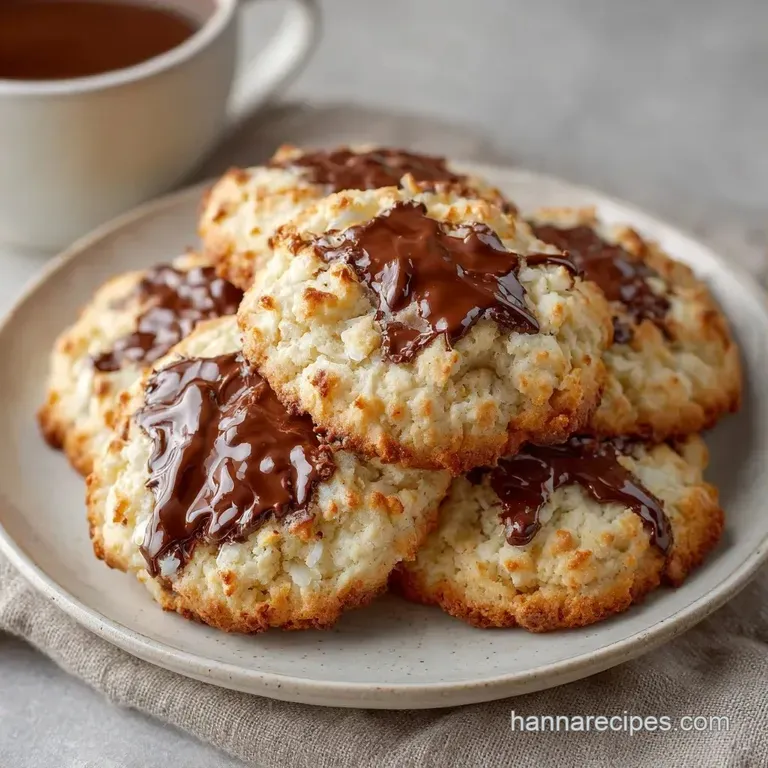
Let's crack on. Follow these steps exactly to avoid the "pancake" disaster.
- Cream together the softened butter and white sugar on medium high speed for about 3 minutes until the mixture is light, fluffy, and pale. Note: This is where the air is trapped for lift.
- Add the eggs one at a time, beating well after each addition. Stir in the vanilla extract until fully combined.
- In a separate bowl, whisk together the flour, baking soda, and salt.
- Gradually stir the dry mixture into the wet ingredients on low speed until just combined. Note: Over mixing makes the cookies tough.
- Fold in the chocolate chips by hand using a spatula.
- Transfer the dough to the refrigerator and chill for at least 30 minutes. Note: This is the most important step for thickness.
- Preheat oven to 350°F (175°C). Scoop rounded tablespoons of dough onto parchment lined baking sheets.
- Bake for 10–12 minutes until the edges are golden mahogany, even if the centers still appear slightly soft.
Chef's Note: If you have the patience, chill the dough for 2 hours instead of 30 minutes. The flavor deepens and the cookies stay even thicker.
Fixing Common Issues
If your cookies didn't come out right, don't panic. It's usually a temperature or mixing issue.
Why Your Cookies Spread
This usually happens if the butter was too warm or the dough didn't chill long enough. When the fat melts before the flour structure sets, the cookie collapses.
Solving a Gritty Texture
If you can feel sugar crystals, you didn't cream the butter and sugar long enough. The friction of the mixer is what breaks down those crystals.
Fixing Over Baked Edges
If the edges are burnt but the middle is raw, your oven might be running hot or you're using a dark metal pan that absorbs too much heat.
| Problem | Root Cause | Solution |
|---|---|---|
| Flat "Pancakes" | Butter too soft / No chill | Chill dough for 60 mins |
| Sandy Mouthfeel | Under creamed butter | Mix butter/sugar for 3 full mins |
| Burnt Bottoms | Pan too thin / Oven too hot | Use parchment paper and check temp |
Common Mistakes Checklist
- ✓ Did you use room temperature eggs? (Cold eggs break the emulsion)
- ✓ Did you avoid over mixing the flour? (Prevents rubbery texture)
- ✓ Is the butter actually softened, not melted? (Melted butter = flat cookies)
- ✓ Did you wait for the oven to fully preheat? (Ensures immediate set)
- ✓ Did you use parchment paper? (Prevents sticking and burning)
Customizing Your Batch
Once you've mastered the basic White Sugar Chocolate Cookies, you can start playing with the flavors.
The Nutty Addition Add ½ cup of toasted walnuts or pecans. Trust me, the bitterness of the nuts balances the white sugar perfectly.
The Citrus Twist Add the zest of one lemon or orange to the sugar during the creaming process. It makes the cookies taste like a high end bakery treat.
Changing the Chocolate Instead of chips, use a chopped up bar of 70% dark chocolate. You'll get these beautiful, irregular shards of chocolate that melt into the dough. If you're craving that classic brown sugar chew, my Classic Homemade Cookies are a great alternative.
Adjusting the Batch Size
If you're baking for a crowd or just for yourself, keep these ratios in mind.
Scaling Down (Half Batch) Use ½ cup butter and ¾ cup sugar. Use one egg, but beat it in a bowl first and only pour in half. Reduce baking time by about 2 minutes.
Scaling Up (Double Batch) Work in batches. Do not overcrowd your mixer, or you won't get enough air into the butter. Only increase the salt and baking soda to 1.5x rather than 2x to keep the flavor balanced.
Baking Adjustments When doubling the batch, lower the oven temp to 325°F (160°C) and extend the time by 2-3 minutes. This prevents the edges from burning while the larger volume of dough cooks through.
Chocolate Preparation Comparison
Since some people prefer melting their chocolate first or using different methods, here is a quick look at how that affects the result.
| Method | Time | Texture | Best For |
|---|---|---|---|
| Baking Chips | 12 mins | Distinct pockets | Classic look |
| Melted Drizzle | 5 mins | Velvety coating | Fancy presentation |
| Chopped Bar | 12 mins | Pools of chocolate | Gourmet texture |
Cookie Myths
"Room temperature eggs aren't that important." Actually, they are. Cold eggs can seize the softened butter, causing the emulsion to break. This leads to a greasy cookie that spreads too much.
"White sugar always makes cookies crispy." Not necessarily. It's the lack of moisture and acidity in white sugar that encourages crispness, but a long chill time and under baking the center can still give you a soft, chewy result.
Freezing and Storage
These cookies stay fresh longer than you'd think if you store them right.
Storage Guidelines Keep baked cookies in an airtight container at room temperature for up to 5 days. If you live in a humid area, put a piece of parchment paper between layers to prevent sticking.
Freezing Options You can freeze the raw dough balls for up to 3 months. Just bake them straight from the freezer, adding 2 minutes to the cook time. For baked cookies, freeze them in a freezer bag for 2 months; just thaw at room temperature for an hour.
Zero Waste Tips If you have a tiny bit of dough left that isn't enough for a cookie, press it into the bottom of a ramekin and bake it for 10 minutes for a "mini cookie cake." Also, don't throw away the butter wrapper if it's high-quality foil; it's great for wrapping individual
Cookies as gifts.
Best Pairing Ideas
To make these a real dessert experience, you need the right contrast. Since these are quite sweet and clean, something tart or bitter works best.
The Classic Contrast A cold glass of whole milk or a hot cup of black coffee cuts through the sugar perfectly. The bitterness of the coffee brings out the cocoa notes in the chocolate.
The Elegant Afternoon Serve these on a platter with fresh raspberries or sliced strawberries. The acidity of the berries prevents the sweetness from becoming overwhelming. For a larger spread, these go great alongside some Simple Homemade Cookies for variety.
The Dessert Platter If you're hosting, pair these with a few pieces of sharp cheddar cheese. It sounds weird, but the salty, sharp flavor of the cheese is a brilliant match for the buttery, sweet profile of these White Sugar Chocolate Cookies.
Recipe FAQs
What happens if I use white sugar instead of brown sugar in cookies?
They become crispier and paler. White sugar lacks the molasses found in brown sugar, resulting in a cleaner sweetness and crunchier edges. If you prefer a deeper, caramelized flavor, try our brown sugar cookies.
How to make chewy chocolate chip cookies?
Chill the dough for at least 30 minutes. This prevents the butter from melting too quickly in the oven, which keeps the center soft while the edges set.
Is it true that using only white sugar makes cookies too thin to be chewy?
No, this is a common misconception. While white sugar produces a crispier texture, chilling the dough and baking for exactly 10 12 minutes ensures the center remains chewy.
Why did my cookies spread too much into pancakes?
The butter was likely melted or the dough wasn't chilled. Using softened butter instead of melted, and refrigerating the dough before baking, is essential to maintain the cookie's structure.
How to prevent the dough from sticking to the pan?
Line your baking sheets with parchment paper. This creates a non-stick barrier that also prevents the bottoms of the cookies from burning.
Does using cold eggs instead of room temperature affect the cookies?
Yes, cold eggs can break the emulsion. Room temperature eggs blend seamlessly with the creamed butter and sugar, ensuring a smooth and stable batter.
How to properly cream the butter and sugar?
Beat the softened butter and white sugar on medium high speed for 3 minutes. Stop once the mixture looks light, fluffy, and pale to ensure the cookies have proper lift.
White Sugar Chocolate Cookies