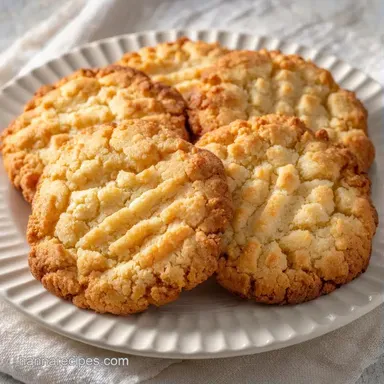
Quick 30 Minute Cookies: Soft and Fudge-Like
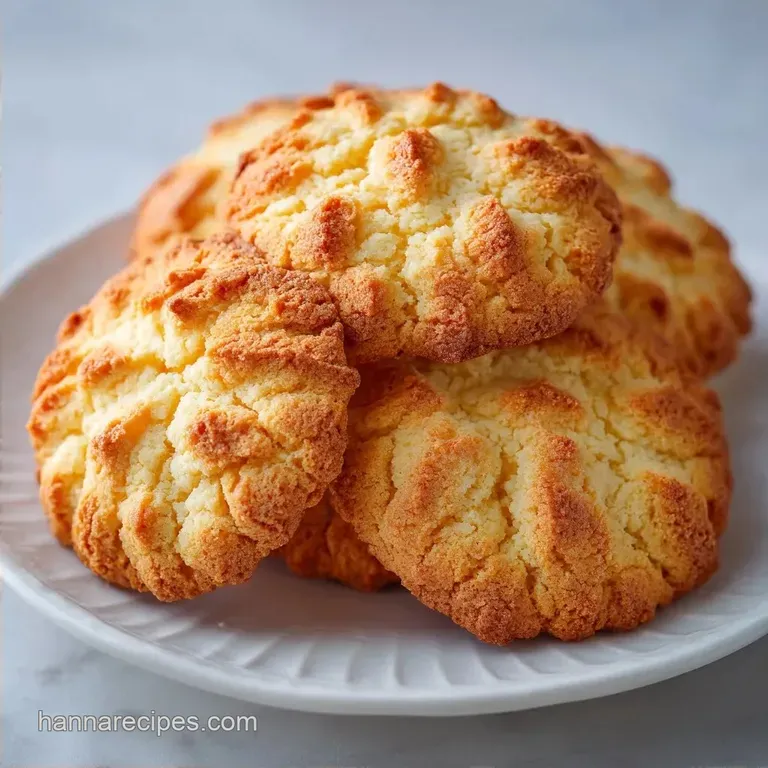
- Time: 10 min active + 15 min baking
- Flavor/Texture Hook: Velvety cocoa center with matte, set edges
- Perfect for: Last minute cravings, school treats, or beginner bakers
- Quick 30 Minute Cookies
- The Secret to Texture
- Component Analysis
- Essential Recipe Specs
- Required Baking Tools
- The Cooking Process
- What Can Go Wrong (and How to Fix It)
- Troubleshooting Common Issues
- Adjusting the Batch Size
- Debunking Kitchen Myths
- Storage & Zero Waste
- Serving and Enjoying
- Recipe FAQs
- 📝 Recipe Card
The smell of burnt sugar and the sight of a flat, greasy pancake on my baking sheet used to be my norm. I used to think the only way to get that thick, bakery style chew was to freeze the dough for 24 hours, which is a nightmare when you have a chocolate craving right now.
Most "fast" recipes I tried either ended up as dry biscuits or melted into one giant, amorphous blob of sugar.
That's where this approach comes in. I stopped guessing and started focusing on the structure. By swapping a bit of flour for cornstarch and hitting a specific temperature window, we can skip the fridge entirely. It's a foolproof way to get a high end result without the wait.
If you're looking for Quick 30 Minute Cookies that actually hold their shape and stay soft, you're in the right place. We're going for a velvety, dense crumb that feels like a cross between a brownie and a traditional cookie. Right then, let's crack on.
Quick 30 Minute Cookies
The magic here is all about the ratio of fats to starches. When we cream the butter and sugars, we're creating tiny air pockets that provide the lift. But since we aren't chilling the dough, the butter wants to melt the second it hits the heat, which usually causes the cookies to spread.
To fight this, we use a specific combination of cornstarch and cocoa powder to stabilize the structure.
I remember one batch where I forgot the cornstarch, and the result was a sugary lake on my pan. Since then, I've treated that one ingredient as non negotiable. It absorbs excess moisture and inhibits gluten development, ensuring the cookies stay tender rather than becoming tough or bready.
If you enjoy this texture, you might also love my Classic Homemade Cookies recipe, which uses a similar logic for a different flavor profile. But for today, we're focusing on that deep, cocoa rich experience.
The Secret to Texture
Instead of a long wait, we rely on these specific mechanisms to get that professional finish:
- Starch Stabilization: Cornstarch interferes with the gluten network, which prevents the cookies from becoming too tough and keeps the center velvety.
- Sugar Balance: The mix of brown and white sugar ensures we get both the crisp edge from the white sugar and the moisture retaining chew from the molasses in the brown sugar.
- Temperature Control: Using softened butter (not melted) allows us to trap air during the creaming process, giving the cookies their structure.
- Controlled Spread: The cocoa powder acts as a drying agent, which helps the dough hold its shape in the oven since we aren't chilling it.
Since we are skipping the refrigeration step, the method of heating is everything.
| Feature | Oven Method (This Recipe) | Stovetop/Pan Method |
|---|---|---|
| Time | 30 minutes | 20 minutes |
| Texture | Crispy edges, soft center | Uniformly soft, cakey |
| Control | High (exact temp) | Low (hot spots) |
| Best For | Traditional batches | Single serve cravings |
The difference is mostly in how the heat hits the dough. The oven provides a surround sound heat that sets the edges while leaving the middle just underdone.
Component Analysis
Understanding what each part does helps you avoid mistakes. For instance, using the wrong chocolate can change the entire sugar balance. According to Bon Appetit, using a proper baking chocolate ensures you have the right cocoa to sugar ratio, which prevents the cookies from becoming cloyingly sweet.
| Ingredient | Science Role | Pro Secret |
|---|---|---|
| Cornstarch | Texture Modifier | Keeps the crumb tender and prevents over spreading |
| Brown Sugar | Humectant | Provides the chew and a hint of caramel flavor |
| Baking Soda | Leavening Agent | Reacts with brown sugar to create a slight rise |
| Cocoa Powder | Structure/Flavor | Adds acidity and absorbs moisture for a denser bite |
Essential Recipe Specs
Here is exactly what you need. Trust me on this: don't use low-fat butter or margarine. The fat content is what creates that shatter like crispness on the edges.
- 1/2 cup (115g) unsalted butter, softened Why this? Provides the necessary fat for a velvety mouthfeel
- 1/2 cup (100g) white granulated sugar Why this? Encourages the edges to crisp up
- 1/2 cup (115g) packed brown sugar Why this? Adds moisture and chewiness
- 1 large egg (50g) Why this? Binds the ingredients and provides structure
- 1 tsp (5ml) vanilla extract Why this? Enhances the depth of the chocolate
- 1 1/4 cups (160g) all purpose flour Why this? The primary structure of the cookie
- 2 tbsp (15g) cornstarch Why this? The secret to the soft, non spreading center
- 3 tbsp (20g) unsweetened cocoa powder Why this? Gives that deep, dark chocolate base
- 1/2 tsp (3g) baking soda Why this? Creates the lift needed for a light bite
- 1/4 tsp (1.5g) salt Why this? Balances the sweetness of the chocolate
- 1 cup (170g) semi sweet chocolate chips Why this? Adds pockets of melted chocolate
Ingredient Swaps:
| Original Ingredient | Substitute | Why It Works |
|---|---|---|
| Unsalted Butter | Coconut Oil (solid) | Similar fat content. Note: Adds a slight coconut flavor |
| Semi Sweet Chips | Dark Chocolate Chunks | Higher cocoa content. Note: Less sweet, more intense flavor |
| All Purpose Flour | Spelt Flour | Similar protein level. Note: Nuttier taste, slightly denser |
Required Baking Tools
You don't need a professional kitchen for this, but a few specifics make it foolproof. I highly recommend a digital scale for the flour, as "cups" can vary wildly depending on how you scoop.
- Large mixing bowl
- Electric hand mixer (or a stand mixer such as KitchenAid)
- Sifter or fine mesh strainer
- Rubber spatula
- Baking sheets (two)
- Parchment paper (essential to prevent sticking)
- Measuring spoons and cups
The Cooking Process
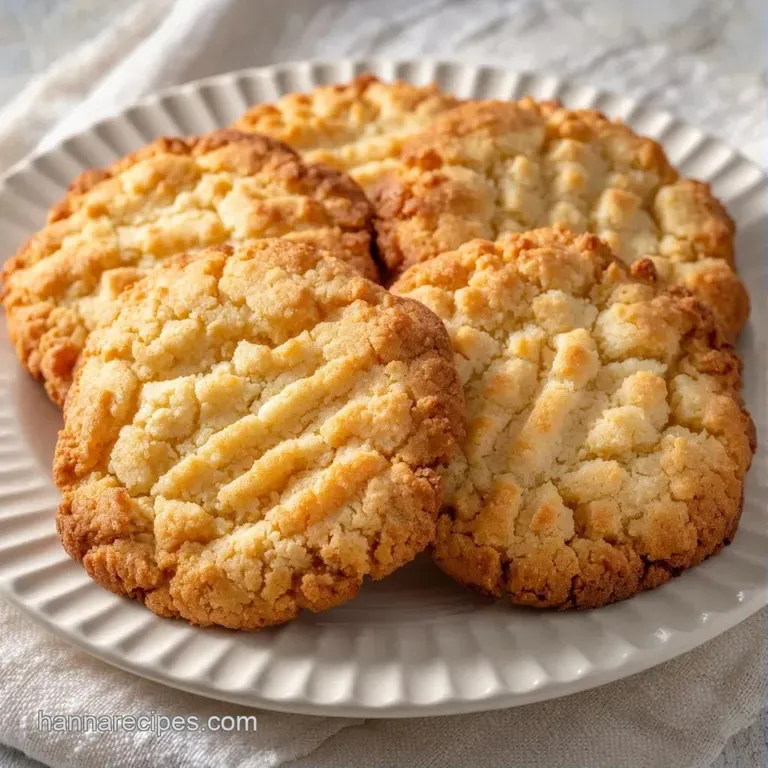
Let's get into the actual making. The key here is not to overwork the dough once the flour goes in. If you stir too much, you'll develop too much gluten, and your Quick 30 Minute Cookies will turn into hard rocks.
Prepping the Base
- Preheat your oven to 350°F (175°C). Note: Ensure the oven is fully preheated so the cookies set immediately.
- In a large bowl, cream together the softened butter, white granulated sugar, and packed brown sugar until the mixture is pale and fluffy. Note: This takes about 2-3 minutes and incorporates the air needed for lift.
- Beat in the egg and vanilla extract until the batter is smooth and fully incorporated.
Incorporating Dry Ingredients
- Sift in the all purpose flour, cornstarch, unsweetened cocoa powder, baking soda, and salt. Note: Sifting removes cocoa clumps which are nearly impossible to stir out later.
- Stir with a spatula until just combined. Note: Stop as soon as you see no more streaks of flour to keep the texture soft.
- Fold in the semi sweet chocolate chips until evenly distributed throughout the batter.
Baking to Perfection
- Scoop rounded tablespoons of dough onto parchment lined baking sheets, spacing them 2 inches apart.
- Bake for 9–11 minutes. Remove from the oven when the edges are set and matte, but the centers still look slightly underbaked. Note: This is the most critical step; they will firm up on the pan.
- Allow cookies to firm up on the hot pan for 5 minutes before transferring to a cooling rack.
Chef's Tip: To get those perfectly round, professional looking cookies, take a circular glass or cookie cutter and gently press down on the top of the cookie immediately after taking it out of the oven. This pushes the edges back into a perfect circle.
What Can Go Wrong (and How to Fix It)
Even with a precise recipe, variables like humidity or oven calibration can throw things off. The most common issue with Quick 30 Minute Cookies is the "spread factor."
Troubleshooting Common Issues
| Issue | Solution |
|---|---|
| Why Your Cookies Spread Too Much | If your cookies look like pancakes, it's usually because the butter was too soft (almost melted) or the oven wasn't hot enough. |
| Why Your Cookies Are Too Dry | Overbaking is the primary culprit. Because these cookies have cocoa powder, they look "done" faster than plain sugar cookies. |
| Why Your Cookies Aren't Rising | This is almost always due to expired baking soda. Baking soda loses its potency over time, especially if stored in a humid cupboard. |
Common Mistakes Checklist:
- ✓ Did you sift the cocoa powder? (Avoids bitter clumps)
- ✓ Did you stop stirring as soon as the flour vanished? (Avoids toughness)
- ✓ Did you use parchment paper? (Prevents bottom burning)
- ✓ Did you remove them while the center was still soft? (Ensures chewiness)
Adjusting the Batch Size
If you're baking for a crowd or just yourself, you can scale this. But remember, baking is a science, so you can't just divide everything blindly.
Scaling Down (Half Batch): Use 1/4 cup of each sugar and 1/4 cup butter. For the egg, beat one large egg in a small bowl and use exactly 25g (about half). Reduce the bake time by about 1-2 minutes, as smaller batches sometimes heat up faster in the oven.
Scaling Up (Double Batch): When doubling, don't double the salt or baking soda fully - use 1.5x the amount instead to avoid a metallic taste. Work in batches on your baking sheets. If you crowd the oven with too many trays, the air won't circulate, and you'll lose those crispy edges.
If you find yourself making these often, you might want to try a Dessert in 15 Minutes recipe for an even quicker fix on nights when you can't even handle 30 minutes.
Debunking Kitchen Myths
There are a few things people tell you about cookies that just aren't true.
Myth 1: You must chill the dough for 24 hours for flavor. While chilling can deepen the flavor slightly, it's not a requirement for a great cookie. By using cornstarch and the right ratio of cocoa, we achieve the same structural integrity as chilled dough in a fraction of the time.
Myth 2: Room temperature eggs are a must. For a cake, yes. For Quick 30 Minute Cookies, it's less critical. However, if your egg is ice cold, it might slightly seize the creamed butter. Just pop the egg in a bowl of warm water for 5 minutes if you're in a rush.
Storage & Zero Waste
To keep these tasting fresh, avoid leaving them in a heap where they can soften each other.
Storage Guidelines:
- Room Temp: Store in an airtight container for up to 5 days. Place a piece of parchment paper between layers to prevent sticking.
- Fridge: Not recommended, as it can make the cocoa taste "cold" and lose the velvety texture.
- Freezer: Freeze for up to 3 months. Wrap them individually in plastic wrap and place them in a freezer bag.
Zero Waste Tips: If you have leftover cocoa powder or a bit of butter in the bowl, don't toss it. I usually mix the leftover bowl scrapings with a splash of milk and a pinch of sugar to make a "cookie batter shot" for myself.
If you have extra chocolate chips, toss them into your morning oatmeal or blend them into a smoothie for a chocolatey kick.
Serving and Enjoying
These cookies are rich, so they need a bit of contrast to really shine.
The Perfect Pairings:
- The Classic: A cold glass of whole milk or an oat milk latte. The creaminess cuts through the intensity of the cocoa.
- The Dessert Plate: Serve two warm cookies with a scoop of vanilla bean ice cream and a few fresh raspberries. The acidity of the berries balances the sugar.
- The Coffee Break: A bitter espresso or a strong black coffee is the best way to highlight the dark notes of the cocoa powder.
When you take that first bite, you should notice the edges shatter slightly before hitting that velvety, almost fudgy center. That contrast is what makes these a winner. Enjoy your treats!
Recipe FAQs
How to make quick simple cookies?
Preheat your oven to 350°F (175°C). Cream together softened butter and sugars, beat in egg and vanilla, then stir in flour, cornstarch, cocoa, baking soda, and salt before folding in chocolate chips.
What is the quickest and easiest thing to bake?
Small batch chocolate cookies. With a 10-minute prep and 11-minute bake, they are the fastest way to satisfy a sweet craving from scratch.
What type of cookie is the easiest to make?
Single bowl drop cookies. Because they require no rolling or chilling, they are incredibly efficient and a great alternative to our fudge brownies.
How to make chewy chocolate chip cookies?
Sift in cornstarch and stir until just combined. Avoiding overmixing prevents excess gluten development, which keeps the texture soft and chewy rather than cakey.
Is it true that cookies only spread if you use too much sugar?
No, this is a common misconception. Cookies usually flatten into pancakes if the butter was too soft or the oven temperature was below 350°F.
Why are my cocoa cookies coming out too dry?
You likely overbaked them. Cocoa powder makes the dough look "done" faster than plain cookies, so remove them from the oven while the centers still look slightly soft.
How to store these cookies to keep them fresh?
Store them in an airtight container at room temperature. Place parchment paper between layers to prevent sticking and enjoy them within 5 days.
Quick 30 Minute Cookies