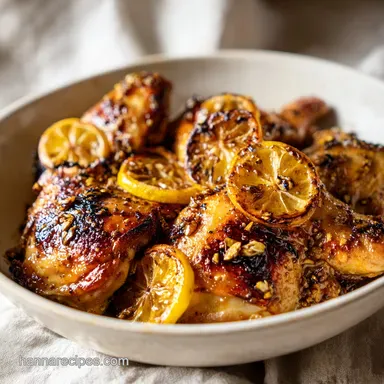
Lemon Garlic Chicken: One-Pan Dinner

- Time: 10 min prep + 25 min cook = Total 35 mins
- Flavor/Texture Hook: Velvety lemon butter glaze with mahogany crusted chicken
- Perfect for: Busy weeknights or beginner cooks who want a "wow" dinner
- Easy One Pan Chicken Dinner Recipe with Garlic and Lemon
- Why This Dish Actually Works
- The Core Ingredient Breakdown
- Essential Tools For Success
- The Building Blocks
- Step-by-Step Cooking Process
- Fixing Common Cooking Issues
- Troubleshooting Common Issues
- Customizing Your Flavor Profile
- Adjusting the Recipe Size
- Truths About One Pan Cooking
- Storage and Waste Tips
- Plating and Serving Ideas
- High in Sodium
- Recipe FAQs
- 📝 Recipe Card
Easy One Pan Chicken Dinner Recipe with Garlic and Lemon
That first loud sizzle when the chicken hits the pan is honestly the best part of my day. There is something about the smell of garlic and lemon hitting hot oil that immediately makes the house feel like a home.
I remember one Tuesday a few months back when I was absolutely exhausted, and the last thing I wanted was to scrub three different pots. I threw this together using some thin cutlets and a handful of baby potatoes, and it turned out better than the fancy bistro down the street.
This Easy One Pan Chicken Dinner Recipe with Garlic and Lemon is the perfect simple meal for any night of the week. You don't need a culinary degree to get this right, just a wide skillet and a bit of patience while the potatoes brown.
The goal here is a velvety sauce that clings to the chicken and potatoes, creating a cohesive bite that feels way more expensive than it actually is.
Expect a dish where the chicken is tender, the potatoes have a slight shatter to their edges, and the lemon cuts right through the richness of the butter. It is a family tested winner that doesn't require any fancy techniques, just a few smart moves with your heat settings. Let's crack on.
Why This Dish Actually Works
I've spent a lot of time wondering why some one pan meals end up soggy while others feel crisp. For this recipe, it all comes down to the order of operations and how we handle the fat in the pan.
The Sear Secret: Searing the chicken first creates a brown crust and leaves behind "fond" (those little stuck on bits). According to the experts at Serious Eats, this fond is where the deepest flavor lives, and we use it to build the sauce.
Acid Balance: The lemon juice does two things here. It tenderizes the chicken during the short marinade and then cuts through the heavy butter at the end, so the dish feels bright rather than greasy.
Potato Sizing: By dicing baby gold potatoes into small 1/2 inch cubes, we ensure they cook in the same amount of time it takes for the chicken to rest and the sauce to thicken.
Butter Emulsification: Adding cold butter at the end creates a glossy, velvety finish. The fat binds with the chicken broth and lemon juice, preventing the sauce from separating into an oily mess.
| Method | Time | Texture | Best For |
|---|---|---|---|
| Stovetop (This) | 35 mins | Pan seared crust | Weeknight speed |
| oven roasted | 60 mins | Soft, roasted edges | Set and forget |
| Slow Cooker | 6 hours | Fall apart tender | Meal prep |
The Core Ingredient Breakdown
When you're working with so few ingredients, the quality of each one matters. I don't believe in buying the most expensive organic version of everything, but there are a few spots where a little upgrade makes a huge difference.
| Ingredient | Science Role | Pro Secret |
|---|---|---|
| Chicken Breast | Protein Base | Slice into thin cutlets for even cooking |
| Lemon Juice | pH Modifier | Fresh is non negotiable for the bright zing |
| Unsalted Butter | Fat/Thickener | Use unsalted so you can control the seasoning |
| Chicken Broth | Deglazing Agent | Low sodium allows the lemon to shine |
Essential Tools For Success
You don't need a kitchen full of gadgets for this, but one specific tool is a total deal breaker: the skillet.
I always use a 12 inch heavy bottomed skillet. If you use a pan that is too small, you'll crowd the chicken. When chicken is crowded, it releases moisture and steams instead of searing. You'll lose that mahogany color and end up with grey meat. Trust me on this, go for the biggest pan you have.
A sturdy spatula or tongs are a must for flipping the cutlets without tearing them. I also suggest a whisk for the marinade to make sure the oregano and salt are evenly distributed, though a fork works in a pinch.
Honestly, don't even bother with low-fat alternatives for the butter here; the fat is what carries the lemon and garlic flavors to your taste buds.
The Building Blocks
Here is exactly what you need. Stick to these quantities to keep the sauce to meat ratio just right.
For the Lemon Garlic Chicken Marinade
- 2 tbsp olive oilWhy this? High heat stability for searing
- 3 cloves garlic, mincedWhy this? Base aromatic flavor
- 1 tbsp fresh lemon juiceWhy this? Tenderizes the protein
- 1 tsp dried oreganoWhy this? Earthy balance to the acid
- 1/2 tsp saltWhy this? Enhances all other flavors
- 1/4 tsp black pepperWhy this? Subtle heat
- 1.5 lb boneless skinless chicken breasts, sliced into thin cutletsWhy this? Quick, even cooking
For the Main Pan
- 1 lb baby gold potatoes, diced into 1/2 inch cubesWhy this? Hold shape well when sautéed
- 2 tbsp unsalted butterWhy this? Creates the velvety sauce
- 3 cloves garlic, mincedWhy this? Fresh punch in the finish
- 1/4 cup chicken brothWhy this? Lifts the pan flavor
- 2 tbsp fresh lemon juiceWhy this? Brightens the final glaze
- 2 tbsp fresh parsley, choppedWhy this? Fresh color and herbal note
| Original Ingredient | Substitute | Why It Works |
|---|---|---|
| Chicken Breast | Chicken Thighs | More fat, harder to overcook. Note: Increases calories/fat |
| Baby Gold Potatoes | Red Potatoes | Similar starch level. Note: Slightly waxier texture |
| Dried Oregano | Dried Thyme | Similar earthy profile. Note: More subtle, less "pizza" scent |
| Unsalted Butter | Vegan Butter | Similar fat content. Note: Best dairy-free alternative |
Step-by-step Cooking Process
Right then, let's get into the actual cooking. Follow these steps and keep an eye on those sensory cues.
- Whisk the marinade. In a medium bowl, combine the olive oil, 3 minced garlic cloves, 1 tbsp lemon juice, oregano, salt, and pepper. Note: Whisking ensures the dried herbs are hydrated.
- Coat the chicken. Toss your thin chicken cutlets in the marinade until fully coated. Let them rest for 5-10 minutes. Note: This short rest allows the salt to penetrate the meat.
- Heat the skillet. Place your 12 inch skillet over medium high heat with a splash of oil. Wait until the oil shimmers and almost smokes.
- Sear the chicken. Add the cutlets in a single layer. Cook 3-5 minutes per side until a mahogany crust forms and the internal temperature reaches 165°F.
- Rest the meat. Move the chicken to a plate. Note: Resting prevents the juices from running out when you finally serve it.
- Sauté the potatoes. Using the same pan and the remaining chicken fats, add the diced potatoes. Sauté for 8-10 minutes, stirring occasionally, until edges are golden brown and fork tender.
- Infuse the butter. Reduce heat to medium. Stir in the butter and the remaining 3 minced garlic cloves; cook for 1 minute until the garlic is fragrant but not brown.
- Deglaze the pan. Pour in the chicken broth and 2 tbsp lemon juice. Use your spatula to scrape the bottom of the pan until the brown bits dissolve into the liquid.
- Glaze the dish. Return the chicken to the pan. Spoon the sauce over the meat for 2 minutes until the sauce thickens into a glossy glaze.
- Final touch. Garnish with chopped parsley and serve immediately.
Chef's Note: If you want an even deeper color on the potatoes, don't stir them for the first 3 minutes. Let them sit and develop a crust before you start moving them around.
Fixing Common Cooking Issues

Even the best of us have a "oops" moment in the kitchen. Most problems with this recipe happen because of heat management or pan size.
Troubleshooting Common Issues
| Issue | Solution |
|---|---|
| Garlic burnt and bitter | Garlic has a very low burn point. If your pan is screaming hot when you add the butter and garlic, it will turn black in seconds. This creates a bitter, acrid taste that ruins the sauce. Always drop y |
| Sauce watery instead of velvety | This usually happens if the broth didn't reduce enough or if the butter wasn't incorporated properly. You need to let the liquid simmer for those last 2 minutes with the chicken back in the pan. This |
| Why are the potatoes still hard in the middle | Either the cubes were too large or the pan was too crowded. If you have too many potatoes in the pan, they steam instead of fry, which slows down the cooking process. Keep them to 1/2 inch cubes for t |
Common Mistakes Checklist
- ✓ Don't crowd the skillet (sear in batches if needed)
- ✓ Don't use pre minced jarred garlic (it lacks the punch)
- ✓ Don't skip the resting phase for the chicken
- ✓ Don't overcook the garlic in the final step
- ✓ Don't use oversized potato chunks
Customizing Your Flavor Profile
One of the things I love about this Easy One Pan Chicken Dinner Recipe with Garlic and Lemon is how easy it is to tweak. Once you've mastered the base, you can start playing with the additions.
If you want to add more greens, I recommend throwing in a handful of asparagus spears or sliced carrots at the same time as the potatoes. Just make sure the carrots are sliced thin so they cook through.
For those who prefer a different protein, this works brilliantly with shrimp, though you'll need to cut the cook time down to about 2 minutes per side.
If you're looking for a different way to enjoy chicken during the week, you might like my Crockpot Italian Chicken Pasta for those days when you truly can't spend 30 minutes at the stove.
Decision Shortcut:
- If you want more heat, add 1/2 tsp red pepper flakes to the marinade.
- If you want it creamier, swap the chicken broth for a splash of heavy cream.
- If you want a salty punch, stir in 1 tbsp of capers at the very end.
Adjusting the Recipe Size
Scaling this isn't as simple as doubling everything, because the physics of the pan change when you add more food.
Scaling Down (Half Portion) Use a smaller skillet (about 8 or 10 inches). You can reduce the cook time for the potatoes by about 20% since they'll heat through faster in a smaller volume.
For the marinade, just halve everything, if you end up with a half egg or similar, just eyeball it, but for this recipe, it's all simple measurements.
Scaling Up (Double or Triple) This is where people mess up. Do NOT double the garlic or salt exactly; go to about 1.5x instead, as these flavors can become overwhelming in larger batches. Most importantly, sear the chicken in batches.
If you try to put 3 lbs of chicken in one pan, you'll get grey, steamed meat. Work in two or three turns, then remove the chicken before starting the potatoes.
Truths About One Pan Cooking
There are a few things people tell you about cooking that just aren't true. Let's clear those up.
Myth: Searing "seals in" the juices. This is a classic kitchen lie. Searing doesn't create a waterproof barrier. Moisture loss happens regardless of whether you sear the meat.
However, the crust adds an incredible amount of flavor through a process of browning that you just can't get from poaching or baking.
Myth: All chicken breasts are doomed to be dry. Dry chicken is a result of temperature, not the cut of meat. By slicing them into thin cutlets and pulling them at exactly 165°F, you keep the moisture locked in. It's all about the timing, not the breast.
Storage and Waste Tips
Leftovers are actually pretty great the next day, though the potatoes can lose a bit of their crisp.
Storage Guidelines Store the chicken and potatoes in an airtight container in the fridge for 3-4 days. If you're planning to freeze it, I'd suggest only freezing the chicken and sauce, leaving the potatoes out, as they tend to get a grainy texture after thawing.
The chicken will keep in the freezer for up to 2 months.
Reheating Tips To bring back the magic, avoid the microwave if you can. Put the leftovers in a small skillet over medium heat with a tiny splash of water or broth. Cover it with a lid for 3-5 minutes; this steams the chicken back to tenderness while reheating the potatoes.
Zero Waste Ideas Don't throw away those potato peels if you peel your gold potatoes! Toss them in a bit of oil and salt and air fry them for 5 minutes for a quick snack. Also, if you have leftover lemon halves, squeeze them into your water or use the zest in a morning yogurt bowl.
Plating and Serving Ideas
To make this look like it came from a restaurant, you want to focus on height and color. Instead of just scooping it onto a plate, pile the golden potatoes in the center and lean the chicken cutlets against them.
Spoon that glossy lemon butter glaze generously over the top and hit it with a final sprinkle of fresh parsley.
For a full feast, this pairs wonderfully with a side of steamed broccoli or a crisp arugula salad with a light vinaigrette. If you're serving this for a holiday or a bigger family gathering, you could even serve it alongside something heartier, like my Funeral Potatoes for a true comfort food overload.
- 1. Sizzle Check
- Oil must be shimmering before chicken enters.
- 2. Temp Check
- Chicken must hit exactly 165°F internal.
- 3. Visual Check
- Potatoes must have golden brown edges before adding butter.
High in Sodium
840 mg 840 mg of sodium per serving (37% 37% of daily value)
The American Heart Association recommends a daily sodium limit of no more than 2,300 mg for most adults to maintain heart health.
Tips to Reduce Sodium
-
Swap the Broth-30%
Replace the chicken broth with a low-sodium or no-salt-added version to significantly reduce hidden sodium.
-
Reduce Added Salt-25%
Cut the 1/2 tsp of salt in half or eliminate it entirely; the lemon and garlic provide plenty of natural flavor.
-
Increase Acidity-10%
Add an extra tablespoon of fresh lemon juice to the sauce to brighten the dish and mimic the taste of salt.
-
Boost Aromatics
Double the amount of dried oregano and fresh parsley to add depth and complexity without adding any sodium.
Recipe FAQs
Can I substitute baby gold potatoes with russets?
No, stick with baby gold. They hold their shape better during the 8-10 minute sauté and provide a creamier texture than russets.
How to tell when the chicken cutlets are perfectly cooked?
Sear for 3-5 minutes per side. Use a meat thermometer to confirm the internal temperature has reached 165°F and a mahogany crust has formed.
Why did the garlic in my sauce taste bitter?
The pan was likely too hot. Garlic burns quickly, so you must reduce the heat to medium before adding the butter and minced garlic to avoid scorching.
How to ensure the potatoes are golden-brown and fork-tender?
Sauté in chicken fats for 8-10 minutes. Stir occasionally to ensure even browning and to prevent the edges from burning.
Is it true I must marinate the chicken overnight for the flavors to develop?
No, this is a common misconception. Because these are thin cutlets, a quick 5-10 minute rest is sufficient for the salt and lemon to penetrate the meat.
Can I freeze the potatoes along with the chicken?
No, avoid freezing the potatoes. They often develop a grainy, unpleasant texture after thawing; freeze only the chicken and sauce for up to 2 months.
How to thicken a sauce that remains too watery?
Simmer for an additional 2 minutes. Return the chicken to the pan and spoon the sauce over the meat until it reduces into a glossy glaze. If you enjoyed balancing the brightness of the lemon here, see how we use similar acid balance in our no-bake cheesecake.
Lemon Garlic Chicken in 35 Minutes