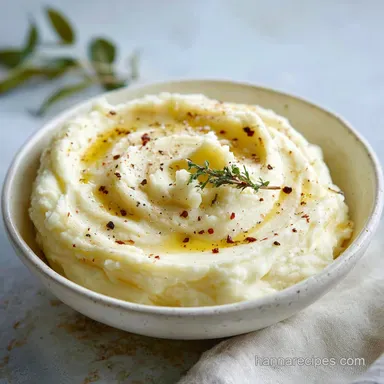
Slow Cooker Mashed Potatoes: Creamy and Savory
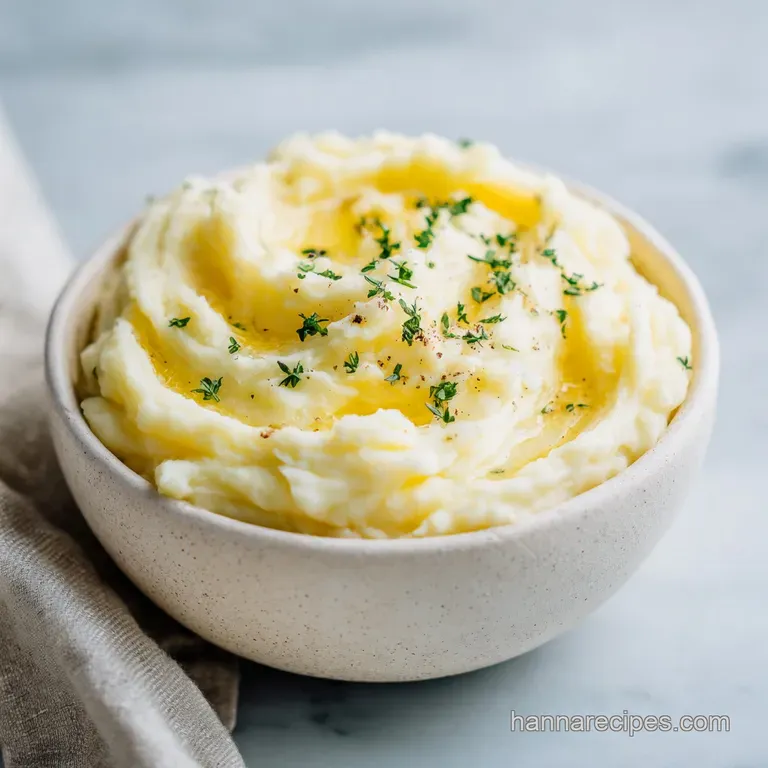
- Time:20 minutes prep + 4 hours cooking = 4 hours 20 minutes Total
- Flavor/Texture Hook: Velvety, rich, and infused with savory garlic
- Perfect for: Holiday hosting, meal prep, or busy Sunday roasts
- Why Standard Boiling Fails Spuds
- Essential Spud Cooking Specifications
- Ingredients for Silky Potato Success
- Necessary Tools for Smooth Mash
- Stepping Toward Perfectly Creamy Spuds
- Resolving Typical Texture Mistakes
- Tasty Swaps and Easy Substitutions
- Proper Storage and Reheating Methods
- Myths Regarding Slow Cooked Spuds
- Creative Ways to Serve Spuds
- Recipe FAQs
- 📝 Recipe Card
The aroma of slow roasting garlic and butter hitting a warm crock is, quite honestly, the best welcome home anyone could ask for. I remember the Thanksgiving of 2018 like it was yesterday, every single burner on my stove was occupied, the turkey was being temperamental, and I still had five pounds of potatoes staring at me from the counter.
In a moment of pure desperation, I chopped them up, tossed them in my slow cooker with some broth, and hoped for the best.
What happened next changed my kitchen workflow forever. Not only did those potatoes turn out fluffier than my usual boiled version, but they didn't require me to stand over a steaming pot with a heavy strainer.
They were silky, decadent, and had this deep, earthy richness that you just don't get when you drown your spuds in a gallon of water. Since then, I’ve refined the ratios to get that velvety ribbons of-gold texture every single time.
If you've ever dealt with the "spud sludge" of over boiled potatoes or the watery mess of a rushed side dish, you’re in the right place. We’re going to skip the big pot of water entirely.
Instead, we’ll use the slow cooker to create a closed loop steam environment that keeps every bit of potato goodness right where it belongs: in the bowl.
Why Standard Boiling Fails Spuds
Most people reach for the biggest pot they own, fill it with water, and boil the life out of their potatoes. The problem? You’re literally washing the flavor down the drain. When you boil potatoes, the starch granules swell and burst, releasing their goodness into the water which you then toss away.
This recipe for Slow Cooker Mashed Potatoes keeps all that starch and flavor locked inside the vessel, resulting in a much more "potatoey" taste.
- Controlled Steam Environment: The slow cooker traps moisture, using a small amount of broth to create steam that penetrates the dense potato cells without diluting them.
- Gradual Starch Breakdown: Cooking at a lower temperature for 4 hours allows the starches to soften slowly, which prevents the "gluey" texture often caused by the thermal shock of boiling water.
- Infusion Window: Because the garlic and salt sit with the potatoes for hours, the flavors permeate the entire cube rather than just coating the outside.
- Thermal Retention: The ceramic insert of a slow cooker holds heat exceptionally well, making it the perfect vessel for mashing and serving without the potatoes going cold in three minutes.
| Thickness | Internal Temp | Rest Time | Visual Cue |
|---|---|---|---|
| 1/2 inch cube | 210°F | No rest needed | Fork slides in with zero resistance |
| 1 inch cube | 210°F | 5 mins | Center is pale but completely soft |
| Whole Spud | 210°F | 10 mins | Skin puckers and flesh yields to touch |
Choosing the right potato is the hill I will die on. You want Yukon Golds here. They have a naturally buttery yellow flesh and a medium starch content that sits right between a starchy Russet and a waxy Red potato.
This middle ground is the secret to a texture that is creamy but still has enough structure to hold up to a lake of gravy. Russets can sometimes get too grainy in the slow cooker, and Reds can turn a bit gummy if you overwork them.
Essential Spud Cooking Specifications
Before we toss everything into the pot, let's look at the "how" and "why" of our components. We aren't just making dinner; we're managing moisture and fat to create an emulsion that stays stable even if it sits on the table for an hour.
| Ingredient | Science Role | Pro Secret |
|---|---|---|
| Yukon Gold Potatoes | Medium starch base | Peel them fully to avoid "rustic" grit in a silky mash |
| Low Sodium Broth | Primary steaming liquid | Use chicken broth for savory depth; vegetable for a cleaner finish |
| Full Fat Cream Cheese | Fat based stabilizer | Adds tang and keeps the potatoes from separating when reheated |
| Heavy Cream | Liquid silkiness | Always warm it before adding to prevent the potatoes from "locking up" |
The use of broth instead of water is a total "chef's kiss" move. Even a little bit of liquid at the bottom of the pot creates a savory steam. If you use water, you're missing an opportunity to build a foundation of flavor. And the cream cheese? That’s my secret weapon.
It provides a structural richness that butter alone can't achieve. It’s the reason people will ask you, "What is in these?" as they reach for a third helping.
Ingredients for Silky Potato Success
Let’s talk about your shopping list. This isn't the time for low-fat or diet alternatives. We want the real deal because that’s what creates the luxurious mouthfeel we're after.
- 5 lbs Yukon Gold potatoes: Peeled and cubed into uniform 1/2 inch pieces. Why this? Uniformity ensures every single piece finishes cooking at the exact same moment.
- 1 cup low sodium chicken broth: This is your steaming agent. Why this? Low sodium gives you total control over the final seasoning levels.
- 4 cloves garlic: Smashed but left relatively whole. Why this? Long cooking mellows the garlic into a sweet, nutty undertone.
- 1 tsp fine sea salt: To season from the inside out. Why this? Fine salt dissolves faster in the limited liquid than coarse flakes.
- 1/2 cup unsalted butter: Cubed and softened to room temperature. Why this? Soft butter incorporates faster without requiring excessive stirring.
- 8 oz full fat cream cheese: Softened and cubed. Why this? This creates a "long" texture that stays creamy even as it cools.
- 1/2 cup heavy cream: Warmed gently on the stove or in the microwave. Why this? Cold cream can shock the hot starches and lead to a gummy texture.
- Black pepper to taste: Freshly cracked is always best.
- Fresh chives or parsley: For a pop of color and freshness.
Chef's Tip: If you really want to take the flavor up a notch, toss a sprig of fresh rosemary or thyme into the slow cooker while the potatoes cook. Just remember to fish out the woody stem before you start mashing!
Necessary Tools for Smooth Mash
You don't need a professional kitchen to make these, but having the right gear makes the process a lot more joyful. If you’re planning a big meal, like a holiday feast, being organized is half the battle. This creamy side pairs beautifully with a holiday feast, and if you need a dessert that's just as low stress, you have to try this creamy no bake cheesecake.
You will obviously need a 6 quart or 7 quart slow cooker. A smaller one might work, but you don't want to pack the potatoes too tightly or the steam won't be able to circulate effectively.
A sharp vegetable peeler is also a must, I prefer the Y shaped ones because they are easier on the wrists when you're powering through five pounds of spuds.
For the mashing itself, you have two paths. A classic wire potato masher is perfect if you like a bit of "soul" and texture in your bowl. If you want that restaurant style, completely smooth finish, reach for an electric hand mixer. Just be careful: the hand mixer is powerful.
If you overbeat the potatoes, you’ll turn them into a gluey paste. Use the lowest setting and stop the moment they look smooth.
Stepping Toward Perfectly Creamy Spuds
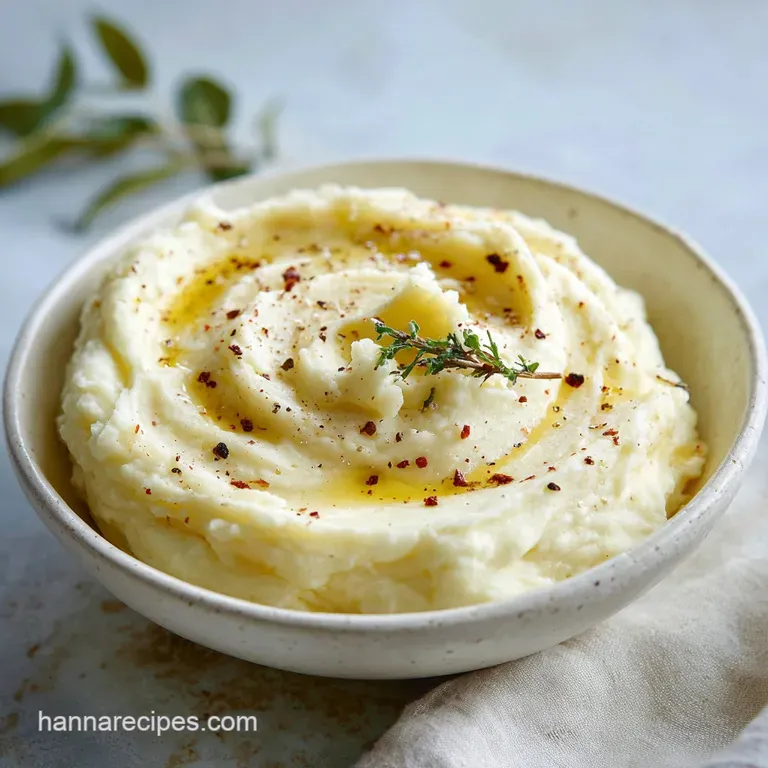
Let's get into the flow of the cook. This is where you reclaim your afternoon while the slow cooker does the heavy lifting.
- Peel and cube your Yukon Gold potatoes. Aim for uniform 1/2 inch pieces. Note: This size is the "sweet spot" for 4 hours of cooking.
- Transfer potatoes to the slow cooker. Toss them with your smashed garlic cloves and that teaspoon of fine sea salt so every cube is lightly seasoned.
- Pour in the chicken broth. Don't worry that it doesn't cover the potatoes! Note: We are steaming, not boiling; the liquid at the bottom is plenty.
- Seal and set the timer. Cook on High for 4 hours (or Low for 6 to 7 hours) until a fork slides in with zero resistance.
- Check for doneness. At the 4 hour mark, the potatoes should look pale and soft. If they resist the fork at all, give them another 20 minutes.
- Add the fats. Do not drain any liquid! Drop in the softened butter and the cubed cream cheese.
- Introduce the warmed cream. Pour the 1/2 cup of warmed heavy cream over the fats. Note: Warming the cream is non negotiable for a velvety finish.
- Mash to your heart's content. Use a masher for rustic texture or a hand mixer on low until the mixture looks like soft, pillowy clouds.
- Season and finish. Fold in the black pepper and taste. Add more salt if needed, then top with fresh chives right before serving.
| Method | Time | Texture | Best For |
|---|---|---|---|
| Slow Cooker | 4 hours 20 mins | Dense, rich, velvety | Low stress holiday hosting |
| Stovetop Boiling | 45 minutes | Light, fluffy, clean | Quick weeknight dinners |
| oven roasted | 1 hour 15 mins | Chunky, crisp edges | Rustic family style meals |
Resolving Typical Texture Mistakes
Even with a slow cooker, things can go sideways if you aren't careful. The most common heartbreak? Gummy potatoes. This usually happens when the potato starch is overworked, or when the potatoes are cooked too long and then agitated too much.
If you feel like your mash is starting to look like wallpaper paste, stop mashing immediately!
Rescuing a Soupy Texture
If you open the lid and it looks like there’s too much liquid before you even add the cream, don't panic. Sometimes potatoes release more water than expected. You can remove about a quarter cup of the broth before adding your dairy.
If you've already mashed them and they look thin, let them sit in the slow cooker on the "Warm" setting with the lid off for 20 minutes. The excess moisture will evaporate, thickening the mash naturally.
Fixing Gummy Mash
Once potatoes turn gummy, you can't really "undo" it, but you can mask it. Fold in some extra texture, like crispy bacon bits or extra chopped chives, to distract the palate. Another trick is to spread them into a baking dish, top with plenty of shredded cheese and breadcrumbs, and bake until bubbly.
The crispy topping provides a necessary contrast to the dense interior.
| Problem | Root Cause | Solution |
|---|---|---|
| Grainy texture | Undercooked potatoes | Cook for an extra 30 mins until completely soft to the core |
| Bland flavor | Not enough salt in cook phase | Fold in a splash of Worcestershire or more sea salt at the end |
| Gray color | Oxidation from air | Ensure the lid stays sealed and serve immediately after mashing |
Common Mistakes Checklist:
- ✓ Never skip the peeling; Yukon skins are thin but can ruin a velvety mash.
- ✓ Always warm your cream and butter; cold dairy is the enemy of smooth starch.
- ✓ Don't drain the broth; that liquid is "liquid gold" full of flavor and starch.
- ✓ Stop mashing the second the lumps are gone to prevent a "gluey" result.
- ✓ Use a "Keep Warm" setting if not serving immediately, but add a splash of milk if they sit longer than an hour.
Tasty Swaps and Easy Substitutions
While the classic version is hard to beat, you might find yourself missing an ingredient or catering to a specific crowd. The beauty of this recipe is how adaptable it is once you understand the basic fat to starch ratio.
| Original Ingredient | Substitute | Why It Works |
|---|---|---|
| Chicken Broth | Vegetable Broth | Maintains the steaming liquid while making the dish vegetarian |
| Cream Cheese | Sour Cream | Adds a similar fat content but with a sharper, more acidic tang |
| Heavy Cream | Whole Milk | A lighter option. Note: Result will be less "velvety" and slightly thinner |
| Unsalted Butter | Ghee | Adds a deeper, toasted nutty flavor and is lactose free |
If you want to scale this recipe down for a smaller family dinner, you can easily halve the ingredients. Just be sure to use a smaller slow cooker (like a 3 quart) so the potatoes aren't spread too thin, which can cause them to scorch.
If you're scaling up for a massive party, you can double it in a large 7 quart cooker, but keep an eye on the time, it might need an extra hour to reach that "zero resistance" stage.
Proper Storage and Reheating Methods
The best part about this recipe? It actually tastes better the next day. The flavors have time to marry, and the cream cheese acts as a stabilizer that prevents the potatoes from getting that weird, dry "leftover" texture. You can keep these in an airtight container in the fridge for up to 4 days.
When it comes to reheating, the slow cooker is your best friend again. Toss the leftovers back in on the Low setting with a splash of milk or a pat of butter. Give it a stir every 30 minutes until it's hot through.
If you're in a rush, the microwave works, but do it in 1 minute bursts, stirring in between to ensure even heating.
For zero waste cooking, don't throw away those potato peels! Toss them with a little olive oil, salt, and smoked paprika, then air fry them at 400°F for 8 to 10 minutes. They make the most incredible crispy "kitchen snack" while you're waiting for the main event to finish.
If you have leftover mash that you just can't finish, use it as a topper for a Shepherd's Pie or mix it with an egg and some flour to make easy potato pancakes the next morning.
Myths Regarding Slow Cooked Spuds
There’s a common misconception that slow cooking potatoes makes them soggy. This only happens if you submerge them in too much liquid. By using only 1 cup of broth for 5 lbs of potatoes, we are essentially using the slow cooker as a steamer.
The potatoes stay dense and flavorful because they aren't absorbing excess water.
Another myth is that you must use Russet potatoes for mashing. While Russets are great for baked potatoes because they are so starchy, they can often fall apart too much in a slow cooker and become "mealy." Yukon Golds are the superior choice here because their waxier structure allows them to hold their shape during the long cook while still mashing into a perfectly smooth puree.
Creative Ways to Serve Spuds
While a big bowl of these is a masterpiece on its own, I love to dress them up depending on what else is on the table. If I’m serving a rich beef roast, I might fold in a tablespoon of prepared horseradish for a bit of a "kick." For a roast chicken, a handful of grated Parmesan cheese and some lemon zest can brighten up the whole dish.
If you’re feeling fancy, try the "Loaded" approach. Stir in some crispy bacon bits, shredded sharp cheddar, and a dollop of sour cream right before serving. It turns a side dish into a complete showstopper. No matter how you serve them, remember that these potatoes are the ultimate comfort food.
They represent the "crowded table" philosophy, food that is meant to be shared, passed around, and enjoyed with zero stress.
Enjoy every creamy, garlic infused bite! Your slow cooker just became your new favorite sous chef, and your holiday dinners will never be the same. Let's crack on and get those spuds in the pot!
Recipe FAQs
Can you do mashed potatoes in a slow cooker?
Yes, it is an excellent method for hands-off preparation. Simply cube your Yukon Gold potatoes, add broth and garlic, and cook on High for 3.5 to 4 hours or Low for 6 to 7 hours before mashing directly in the pot.
Can you make mashed potatoes and put them in a crockpot to keep warm?
Yes, the slow cooker acts as an ideal warming vessel for serving. Once mashed, switch your appliance to the "Warm" setting and cover; the residual heat keeps the potatoes at a perfect serving temperature for your guests.
Should I boil potatoes before putting in a slow cooker?
No, this is a common misconception. You should place raw, peeled, and cubed potatoes directly into the slow cooker; they will cook perfectly through the steaming process generated by the chicken broth.
How long do potatoes take in a slow cooker?
Cook on High for 3.5 to 4 hours or on Low for 6 to 7 hours. You will know they are finished when a fork slides into the potato pieces with zero resistance.
How to ensure the potatoes cook evenly in the slow cooker?
Peel and cube your Yukon Gold potatoes into uniform 1/2-inch pieces. Maintaining consistent sizing is the most important step to ensure every piece finishes at the same time.
How to achieve the perfect texture for these mashed potatoes?
Use a potato masher for a rustic texture or an electric hand mixer for a silkier finish. Adding the softened butter, cream cheese, and warmed heavy cream before mashing helps incorporate the fats smoothly into the potatoes.
How to handle the remaining liquid after cooking?
Do not drain the remaining chicken broth from the slow cooker. Keeping that liquid in the pot helps provide moisture and flavor when you mix in your butter, cream cheese, and heavy cream.
Slow Cooker Mashed Potatoes: Creamy Side Dish for 10 Servings