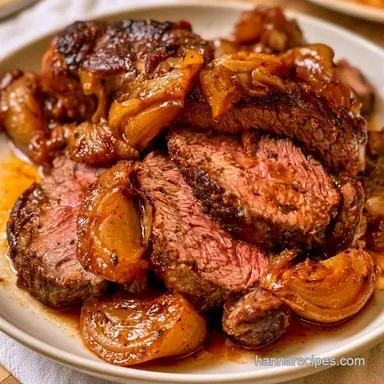
Tender Crockpot Beef Chuck Roast with Garlic
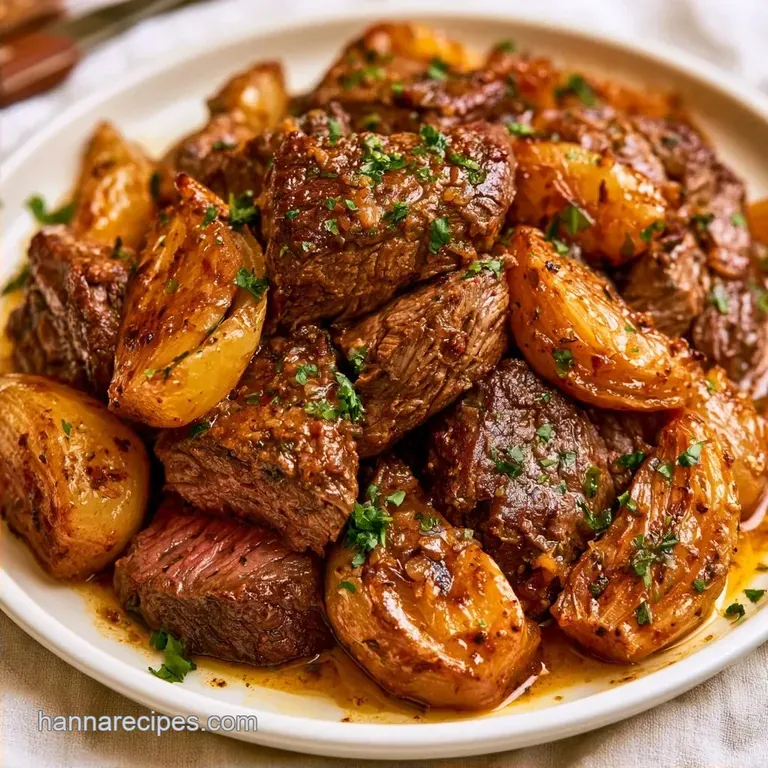
- Time:15 minutes active + 8 hours cooking
- Flavor/Texture Hook: Mahogany crust with fork tender beef
- Perfect for: Sunday family dinners or low effort meal prep
The smell of a slow cooking roast is something that sticks with you. For many of us, it means a house that feels warm and a table that's about to be crowded with family. This dish isn't just about the food, it's about the tradition of a meal that takes its own time, letting the aromas drift through the halls all afternoon.
It's the kind of dinner that makes a rainy Tuesday feel like a holiday.
I've always loved how the pot roast brings people together. Whether it was my grandmother's kitchen or my first apartment, there's something deeply comforting about beef that pulls apart with a fork. It’s an accessible meal that doesn't require fancy skills, just a bit of patience and a few pantry staples.
You can expect a rich, savory result that feels expensive but uses one of the most affordable cuts of beef. This Crockpot Beef Chuck Roast transforms a tough piece of meat into something that practically melts. We'll focus on getting a deep sear and layering the flavors so the gravy tastes like it simmered for days.
Quick Specs and Times
This guide is tailored for a typical 6 quart slow cooker. Since we're working with a larger piece of meat, the cooking window is slightly longer to guarantee maximum tenderness in every bite.
Active preparation takes 15 minutes, covering the seasoning and searing. For the most succulent results, we recommend cooking on low for 8 hours. Alternatively, you can use the high setting for 5 to 6 hours, though the beef may be slightly less tender.
The total time is 8 hours 15 minutes.
Keep a close eye on the internal temperature. The beef is officially finished once it reaches 205°F (96°C). While it may seem cooked at 180°F, the meat will still be tough; wait for that 205°F mark to ensure the best possible texture.
The Roast Ingredients
Picking the right meat is where this recipe is won or lost. I always suggest a chuck roast because it has the right balance of fat and connective tissue. If you buy a lean roast, it will dry out in the slow cooker. Look for "marbling," those little white streaks of fat that weave through the red meat.
The vegetables are just as important. I use baby gold potatoes because they hold their shape better than russets, which tend to turn into mush after 8 hours. For the carrots, larger chunks are better. If you slice them too thin, they'll disappear into the sauce.
Right then, let's look at how these choices impact the final dish.
| Method | Time | Texture | Best For |
|---|---|---|---|
| Fresh Sear + Slow Cook | 8 hours | Deeply savory, tender | Family dinners |
| No Sear Shortcut | 8 hours | Lighter flavor, soft | Ultra busy days |
| Pressure Cooker | 90 mins | Very tender, less depth | Last minute meals |
Trust me on this, the searing step is worth the extra 10 minutes. It creates a crust that adds a layer of flavor you just can't get from the slow cooker alone.
Tools You Need
While you can use basic equipment, certain tools simplify the task. Start with a heavy skillet; I prefer cast iron for its superior heat retention, which is key for achieving that rich mahogany crust on the beef. Stainless steel is also a great option, provided the pan is properly heated before adding the meat.
The slow cooker does most of the heavy lifting. A standard 6-quart size easily accommodates a 3.5 lb roast. Ensure the lid is sealed tightly; if steam leaks out, the liquid will evaporate, potentially scorching your meat.
For precision, a meat thermometer is essential. Guessing with a fork is too risky. A digital reading of 205°F is the only reliable way to ensure the roast is tender rather than rubbery.
Cooking the Roast
Prepping the Meat
Dry the beef chuck roast thoroughly with paper towels to ensure a better sear; if the meat remains damp, it will steam rather than brown. Season all sides evenly with salt, pepper, and garlic powder, pressing the spices into the meat so they adhere during cooking.
Phase 1: Searing for Maximum Depth
Heat oil in a skillet over medium high heat until it shimmers. Brown the meat for 3-5 minutes per side until a deep, mahogany colored crust forms. Avoid overcrowding the pan and resist flipping the meat too often; let it release from the surface naturally.
Transfer the seared roast to the slow cooker.
Phase 2: Layering the Aromatics
Spread the smashed garlic and sliced onions across the bottom of the pot to create a natural rack that prevents the roast from sticking. Pour the balsamic vinegar, Worcestershire sauce, and beef broth over the meat. Nestle the thyme sprigs and bay leaves into the liquid around the edges.
Phase 3: Slow Cooking to Perfection
Arrange the potatoes and carrots on top of and around the beef, sprinkling them with dried rosemary. Secure the tight fitting lid. Cook on LOW for 8 to 10 hours (recommended) or HIGH for 5 to 6 hours.
The roast is ready once it hits an internal temperature of 205°F (96°C).
Phase 4: Finishing the Presentation
Using tongs, carefully move the roast and vegetables to a serving platter. If the liquid is too thin, stir in a cornstarch slurry (1 tbsp cornstarch mixed with 1 tbsp cold water) and set the slow cooker to high for 15 minutes until the gravy is glossy and thick.
Chef's Note: For a richer flavor, deglaze your skillet with a splash of beef broth, scraping up the brown bits (the fond). Pour this liquid into the slow cooker for an extra layer of depth.
Fixing Roast Issues
Fixing Tough or Rubbery Meat
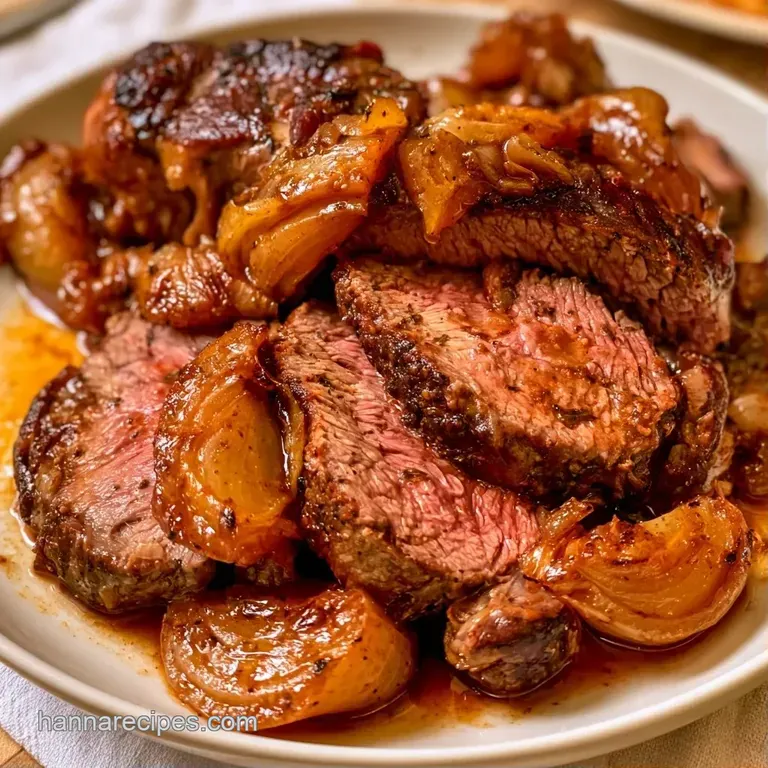
If the beef is resisting your fork, it simply hasn't cooked long enough. This usually happens when the internal temperature is around 180°F. The collagen hasn't turned into gelatin. Put the lid back on and give it another hour.
Once it hits 205°F, the fibers will relax and the meat will shred.
Preventing Mushy Vegetables
Vegetables can overcook if they sit at the bottom of the pot where the heat is most intense. Always place your potatoes and carrots on top of the meat or around the sides. If you're cooking on high for 6 hours, you might even add the carrots in the last 3 hours to keep them from disintegrating.
Correcting a Bland Gravy
A dull gravy usually lacks acidity or salt. If the sauce tastes "flat," stir in a teaspoon of balsamic vinegar or a squeeze of lemon juice. This cuts through the heavy fat of the beef and wakes up the other flavors. If it's still bland, add a pinch more kosher salt.
Roast Variations
You can easily tweak this Crockpot Beef Chuck Roast to suit your mood. For a more "French" vibe, swap the balsamic vinegar for a dry red wine like Cabernet. This gives the sauce a deeper, more sophisticated profile.
If you want to lean into a different meal entirely, this beef is fantastic for Beef Taco Power Bowl leftovers. Just shred the cooked roast, add some cumin and chili powder, and sear it quickly in a pan to get some crispy edges before adding it to your bowl.
For those avoiding carbs, skip the potatoes and carrots. Instead, add cauliflower florets and radishes during the last 3 hours of cooking. They absorb the beefy juices without adding the starch of a traditional pot roast.
Storage and Leftovers
Keep any remaining beef and vegetables in airtight containers; they will stay fresh in the refrigerator for 4 days. As the gravy cools, it will thicken, making it much simpler to divide into portions.
If freezing, I recommend shredding the meat and storing it immersed in the gravy to prevent it from drying out. It stays good for 3 months. To serve, thaw it overnight in the refrigerator and warm it slowly on the stove over low heat.
Don't discard any leftover liquid. You can simmer it down into a rich glaze for steaks or use it as a base for beef barley soup. Additionally, the remaining carrots can be blended into a savory puree side dish.
Serving Your Meal
Plating this dish is all about the gravy. Instead of just dumping everything on a plate, slice the roast against the grain into thick pieces. Arrange the carrots and potatoes around the meat, then spoon a generous amount of the glossy gravy over the top.
This meal pairs perfectly with Slow Cooker Mashed Potatoes if you want a double dose of comfort. If you prefer something lighter, a crisp arugula salad with a lemon vinaigrette cuts through the richness of the beef.
A sprinkle of fresh parsley or chopped chives on top adds a pop of color and a bit of freshness to the plate. Serve it in a large shallow bowl to keep the gravy from running off the edges.
Why This Roast Works
Since we're focusing on a budget friendly approach, let's look at why these ingredients were chosen and how they interact.
Breaking Down Collagen: Chuck roast contains a lot of connective tissue. The long, slow heat converts this tough collagen into gelatin, which creates that melt in-your mouth feel.
Balanced Acidity: The balsamic vinegar and Worcestershire sauce aren't just for flavor. The acid helps tenderize the meat and balances the heavy fats.
The Sear: Browning the meat first creates complex flavor compounds. This provides a base of savory depth that the slow cooker cannot produce on its own.
Ingredient Deep Dive
| Component | Purpose | Substitute Notes |
|---|---|---|
| Beef Chuck Roast | Main protein/fat source | Rump roast: Leaner, will be tougher |
| Balsamic Vinegar | Tenderizes and adds tang | Apple Cider Vinegar: Similar acidity, fruitier |
| Baby Gold Potatoes | Hearty starch | Parsnips: Earthy flavor, lower carb |
| Beef Broth | Cooking medium/base | Water + Bouillon: Works well, watch salt |
Budget Smart Swaps
| Original Ingredient | Substitute | Why It Works |
|---|---|---|
| Fresh Thyme | Dried Thyme (1 tsp) | Similar flavor. Note: Less aromatic than fresh |
| Baby Gold Potatoes | Russet Potatoes | Common pantry item. Note: May get mushier |
| Vegetable Oil | Butter or Lard | High smoke point. Note: Butter adds nuttiness |
Decision Shortcut
- More tang? → add 1 tsp balsamic vinegar at the end
- Thicker gravy? → simmer liquid on high for 20 mins
- Crispier beef? → broil sliced roast for 3 mins before serving
Roast Myths
Searing meat does not "seal in juices." This is a common misconception. Moisture loss happens regardless of searing. The real reason we sear is for the flavor created by the browning of proteins.
Some people think you can't use a slow cooker for "real" roast beef. The truth is that for tough cuts like chuck, moist heat over a long period is actually the most effective way to get tender meat.
Finally, don't believe that adding more liquid makes the meat more tender. Too much liquid can actually dilute the flavor and boil the meat rather than braising it. Stick to the 1 cup of broth to keep the flavors concentrated.
High in Sodium
840 mg 840 mg of sodium per serving (37% 37% of daily value)
The American Heart Association recommends a daily limit of 2,300 mg of sodium to help manage blood pressure and improve heart health.
Tips to Reduce Sodium in Your Pot Roast
-
Swap Beef Broth-30%
Replace the low-sodium beef broth with unsalted beef stock or water infused with mushroom powder for a rich, savory flavor.
-
Limit Added Salt-25%
Reduce the kosher salt by half or substitute it with a salt free garlic and herb seasoning to lower direct sodium.
-
Adjust Worcestershire-20%
Use half the amount of Worcestershire sauce or swap it for a mixture of balsamic vinegar and a touch of lemon juice.
-
Enhance Fresh Herbs
Double the amount of fresh thyme and rosemary to build a more robust flavor profile without adding any salt.
Recipe FAQs
When is a chuck roast typically tender in a slow cooker?
Set it for 8 to 10 hours on low. The beef is perfectly tender once it reaches an internal temperature of 205°F. Use the high setting for 5 to 6 hours if you are short on time.
Would low or high heat be better for the beef?
Low is the superior choice. A slower cook preserves moisture and creates a more tender texture. High heat can occasionally cause the meat to toughen.
What is the best liquid for a crockpot roast?
Combine beef broth, Worcestershire sauce, and balsamic vinegar. This combination provides a savory base with enough acidity to balance the richness of the beef.
Is it true that searing the beef is a waste of time in a slow cooker?
Actually, no. Searing creates a mahogany colored crust that adds significant depth and complex flavor to the final dish.
How to store and repurpose leftovers?
Shred the meat and store it in the gravy to prevent drying. If you enjoyed the depth of flavor achieved here, see how the same slow simmering principle works in our homemade lasagna.
Crockpot Beef Chuck Roast