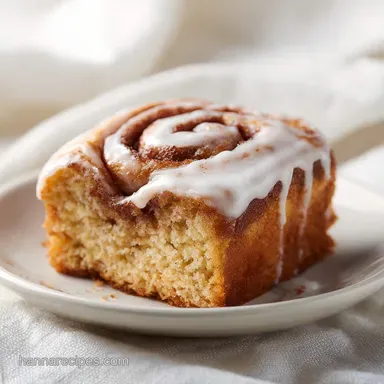
Cinnamon Roll Sheet Cake: Tender and Silky
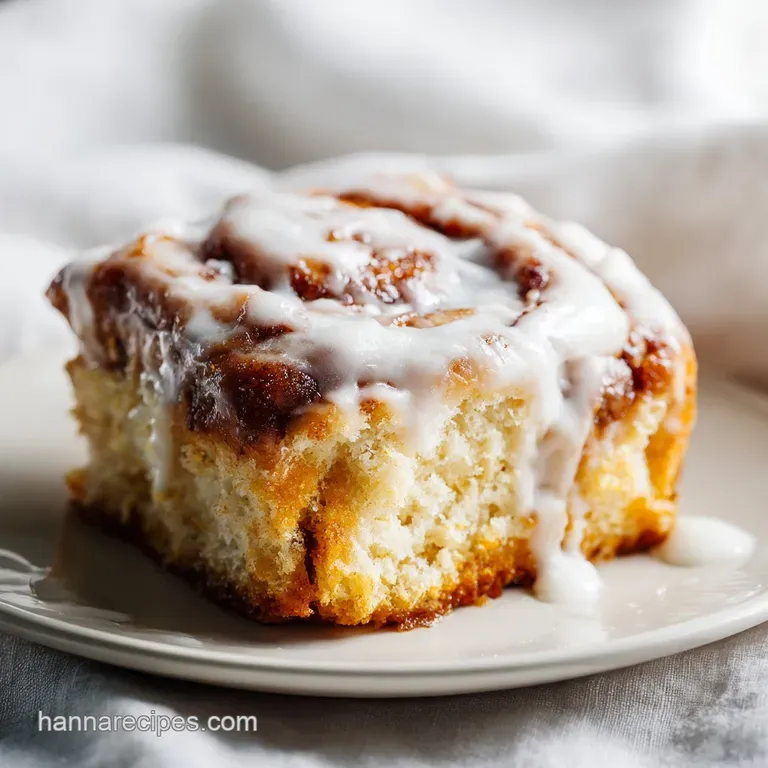
- Time:15 minutes active + 30 minutes bake = Total 65 minutes
- Flavor/Texture Hook: Silky cream cheese glaze over a tender, cinnamon streaked sponge
- Perfect for: Brunch crowds, potlucks, or a low stress birthday treat
- Baking a Cinnamon Roll Sheet Cake
- What Nobody Tells You
- Recipe Specs
- Why This Works
- Component Analysis
- Gathering Your Essentials
- Equipment Needed
- How to Make It
- What Can Go Wrong (and How to Fix It)
- Troubleshooting Common Issues
- Make It Your Own
- Adjusting the Batch Size
- Common Baking Misconceptions
- Storage Guidelines
- Presentation Tips
- Recipe FAQs
- 📝 Recipe Card
Baking a Cinnamon Roll Sheet Cake
The scent of cinnamon and toasted butter is, for many of us, the olfactory blueprint of a slow Sunday morning. Growing up, the tradition of homemade cinnamon rolls was a labor of love, involving hours of proofing, punching down dough, and the precarious act of rolling and slicing.
It's a cultural staple of comfort, representing warmth and familial gathering in kitchens across North America.
But let's be honest, who actually has four hours to spend on a single breakfast on a Tuesday? That's where this version comes in. By shifting the format to a sheet pan, we move away from the yeast heavy tradition and toward something more accessible.
The Cinnamon Roll Sheet Cake preserves the soul of the original - the spice, the sweetness, and that iconic glaze - without the stress of wondering if your yeast is actually alive.
You can expect a cake that is incredibly tender, almost like a hybrid between a snack cake and a cinnamon roll. It doesn't have the chew of a bread based roll, but it makes up for it with a melt in-your mouth texture. It's the kind of treat that disappears from the platter before the coffee is even brewed.
What Nobody Tells You
When you first see a recipe for a Cinnamon Roll Sheet Cake, you might think it's just a vanilla cake with cinnamon on top. It's not. The secret lies in the density of the batter and the specific way the cinnamon paste interacts with the heat of the oven.
If the batter is too thin, your cinnamon swirls will sink to the bottom, leaving you with a burnt crust and a bland top.
I once tried to "healthify" this by using a thinner milk substitute, and the result was a disaster. My cinnamon swirls basically dove for cover and ended up as a sticky layer of cinnamon fudge at the bottom of the pan.
Since then, I've learned that the structural integrity of the batter is what keeps those beautiful swirls suspended.
Another thing people skip is the cooling period. If you slap that cream cheese glaze on a hot cake, it doesn't sit on top; it melts into the crumb. While that's tasty, you lose the visual contrast and the distinct tang of the frosting.
Patience for those 20 minutes is the difference between a home style cake and something that looks like it came from a bakery.
Recipe Specs
To get this right, we need to focus on the physics of the bake. Because we're using a sheet pan, the surface area is huge and the depth is shallow. This means the cake cooks much faster than a standard round cake, and the risk of drying out the edges is higher.
Precision Checkpoint 1: Ensure your melted butter has cooled to room temperature. Adding boiling butter to eggs will scramble them, ruining the velvety emulsion of the batter.
Precision Checkpoint 2: Your cinnamon paste should be the consistency of toothpaste. If it's too runny, it will bleed; if it's too stiff, you'll create holes in the batter rather than swirls.
Precision Checkpoint 3: Pull the cake from the oven the moment the center springs back when touched. A 2 minute overbake in a sheet pan can turn a moist cake into a dry sponge.
The choice of a sheet pan over a deep cake pan is intentional. The shallow depth allows the heat to penetrate the center quickly, ensuring the cinnamon paste sets without the outer edges becoming scorched. If you're looking for something with a similar spice profile but a different texture, you might enjoy a cinnamon swirl bread, which leans more into the bready side of the spectrum.
| Feature | Traditional Yeast Rolls | Sheet Cake Method |
|---|---|---|
| Prep Time | 3-4 hours (Proofing) | 15 minutes |
| Texture | Chewy and bread like | Tender and velvety |
| Effort | High (Kneading/Rolling) | Low (Mixing/Swirling) |
Why This Works
Baking is just a series of chemical reactions that we happen to get to eat. For this Cinnamon Roll Sheet Cake, we're relying on a few specific mechanisms to get that foolproof result.
- Chemical Lift: Baking powder reacts with the heat and moisture to create carbon dioxide bubbles, lifting the cake quickly without needing yeast.
- Fat Distribution: Using melted butter in the batter creates a tighter, more moist crumb than creamed butter, which incorporates too much air for this specific style.
- Paste Stabilization: The small amount of flour in the cinnamon swirl prevents the sugar from liquefying completely, keeping the swirls distinct.
- Glaze Emulsion: The combination of cream cheese and butter creates a stable fat in-water emulsion that holds its shape at room temperature.
Component Analysis
Understanding your ingredients helps you troubleshoot on the fly. Here is the breakdown of what each part is actually doing in your Cinnamon Roll Sheet Cake.
| Ingredient | Science Role | Pro Secret |
|---|---|---|
| Baking Powder | Primary Leavening | Ensure it's fresh or the cake will be dense |
| All Purpose Flour | Structure/Gluten | Sift with sugar to avoid clumps in the swirl |
| Cream Cheese | Acidity/Body | Room temperature is non negotiable for smoothness |
| Brown Sugar | Moisture/Flavor | The molasses content adds a deeper, caramel note |
Gathering Your Essentials
When you're prepping your Cinnamon Roll Sheet Cake, don't just grab the first thing you see. The quality of your fats and the temperature of your dairy will change the final texture.
- 2 cups (250g) all purpose flour Why this? Balanced protein for a tender but stable crumb
- 3/4 cup (150g) granulated sugar Why this? Provides sweetness and helps with browning
- 2 tsp (10g) baking powder Why this? Essential for the quick lift in a sheet pan
- 1/2 tsp (3g) salt Why this? Balances the heavy sugar and enhances cinnamon
- 3/4 cup (180ml) whole milk Why this? Fat content keeps the cake velvety
- 1/2 cup (115g) unsalted butter, melted and cooled Why this? Creates a moist, dense texture
- 2 large eggs Why this? Provides structure and emulsification
- 1 tsp (5ml) vanilla extract Why this? Rounds out the spice flavors
- 1/4 cup (55g) unsalted butter, softened Why this? Base for the swirl paste
- 1/2 cup (100g) light brown sugar, packed Why this? Molasses adds a rich, cinnamon roll depth
- 1 tbsp (8g) ground cinnamon Why this? The star flavor component
- 1 tbsp (8g) all purpose flour Why this? Prevents cinnamon from sinking
- 4 oz (115g) cream cheese, softened Why this? Tangy base for the glaze
- 2 tbsp (30g) melted butter Why this? Adds shine and richness to frosting
- 1 cup (120g) powdered sugar Why this? Dissolves quickly for a smooth glaze
- 1 tsp (5ml) vanilla extract Why this? Consistency across layers
- 2 tbsp (30ml) milk Why this? Adjusts frosting consistency
Right then, if you're missing something, check this table for swaps that won't ruin the bake.
| Original Ingredient | Substitute | Why It Works |
|---|---|---|
| Whole Milk | Buttermilk | Similar fat. Note: Adds a slight tang and more tenderness |
| All Purpose Flour | Cake Flour | Lower protein. Note: Results in a softer, more fragile crumb |
| Cream Cheese | Mascarpone | Similar consistency. Note: Much sweeter and less tangy |
| Brown Sugar | Coconut Sugar | Similar color. Note: Earthier flavor, slightly less moisture |
Equipment Needed
You don't need a professional kitchen for this, but a few specific tools make it foolproof.
- 13x18 inch sheet pan: This is the standard "half sheet" pan. Using a smaller pan will make the cake too thick and it won't cook evenly.
- Parchment paper: Do not skip this. Greasing the pan is okay, but parchment allows you to lift the entire cake out for clean slicing.
- Offset spatula: This is the best tool for swirling the cinnamon paste without deflating the batter.
- Large mixing bowl and a whisk: A stand mixer such as KitchenAid is fine, but a hand whisk is actually better here to avoid overworking the gluten.
- Small bowl: For mixing the cinnamon paste and the glaze separately.
How to Make It
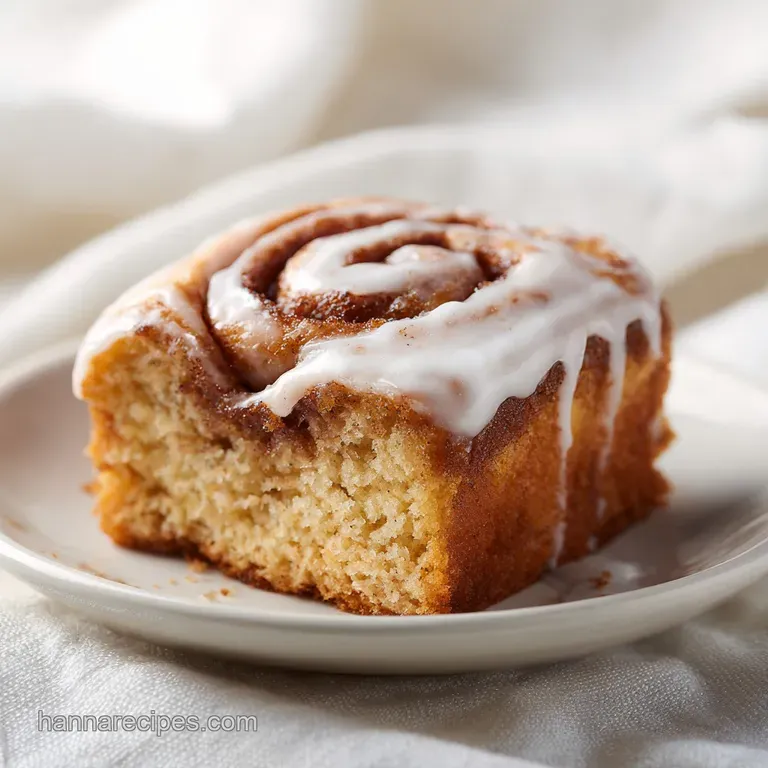
Let's crack on with the actual baking. Follow these steps closely, and pay attention to the visual cues.
Phase 1: Prepping the Base
- Preheat your oven to 350°F (175°C). Line a 13x18 inch sheet pan with parchment paper, leaving an overhang on the sides for easy removal. Note: The overhang prevents the cake from sticking to the edges.
- In a large bowl, whisk together 250g all purpose flour, 150g granulated sugar, 10g baking powder, and 3g salt. Note: Whisking aerates the flour and removes lumps.
- Stir in 180ml milk, 115g melted butter, 2 eggs, and 5ml vanilla extract until the batter is smooth and velvety. Note: Do not overmix; stop as soon as the flour streaks disappear.
- Pour the batter into the prepared pan, spreading it evenly with a spatula.
Phase 2: Swirling the Cinnamon
- In a small bowl, cream together 55g softened butter, 100g brown sugar, 8g ground cinnamon, and 8g all purpose flour until a thick, smooth paste forms. Note: This should look like a thick frosting.
- Drop small dollops of the cinnamon paste across the top of the batter. Note: Space them about 2 inches apart.
- Using a knife or offset spatula, gently swirl the paste into the batter in a figure eight motion, ensuring swirls remain distinct. Note: Don't stir too much or you'll just have a cinnamon flavored cake instead of a swirl cake.
Phase 3: The Perfect Bake and Glaze
- Bake for 25–30 minutes until edges are golden brown and the center is set. Note: The center should not jiggle when you shake the pan.
- Allow the cake to cool for 20 minutes. Note: This prevents the glaze from melting into the cake.
- While cooling, whisk together 115g softened cream cheese, 30g melted butter, 120g powdered sugar, 5ml vanilla extract, and 30ml milk until smooth.
- Spread the cream cheese glaze evenly over the cooled cake before slicing.
Chef's Note: To get the cleanest slices, chill the glazed cake in the fridge for 30 minutes before cutting. Use a hot knife (dipped in boiling water and wiped dry) to slice through the glaze and cake without smearing.
What Can Go Wrong (and How to Fix It)
Even the best of us have mishaps. Here is how to handle the most common issues when making your Cinnamon Roll Sheet Cake.
Troubleshooting Common Issues
| Issue | Solution |
|---|---|
| Why Your Cinnamon Swirl Sank | If your cinnamon paste settled at the bottom, it's usually because the batter was too thin or the paste was too wet. Ensure you use the exact measurements of flour in both the batter and the paste. Th |
| Why the Cake is Dry Around the Edges | Sheet pans conduct heat very quickly. If your edges are dry but the center is barely done, your oven might be running hot. Use an oven thermometer to verify the temperature, or rotate the pan halfway |
| Why Your Glaze is Lumpy | Lumpy glaze happens when the cream cheese isn't fully softened. You cannot rush this. If you're in a hurry, microwave the cream cheese for 10 seconds, but be careful not to melt it. Make It Your OwnOnce you've nailed the basic Cinnamon Roll Sheet Cake, you can start playing with the flavors. The base is very versatile. For the Lighter Cake Batter: If you want a fluffier result, you can separate the eggs, beat the whites to soft peaks, and fold them in at the very end. This adds a bit of air and makes the cake feel more like a chiffon cake. For the Cinnamon Swirl: Add a pinch of ground nutmeg or cardamom to the cinnamon paste. It adds a "bakery style" complexity that makes people wonder what the secret ingredient is. For an extra treat, sprinkle a few crushed pecans over the batter before swirling. For the Low Sugar Cream Cheese Glaze: Replace half of the powdered sugar with a sugar-free alternative or increase the cream cheese ratio for a more savory, tangy frosting. If you prefer a thinner glaze, simply add milk one teaspoon at a time until it reaches a pourable consistency. If you enjoy this kind of flavor profile, you might also like the contrast of some buttery shortbread served on the side for a texture contrast during a dessert platter. Decision Shortcut:
Adjusting the Batch SizeScaling a sheet cake is a bit trickier than scaling a round cake because the pan size is fixed. Scaling Down (Half Batch): If you don't have a 13x18 pan, you can halve the recipe and use a 9x13 inch pan. The baking time will increase by about 5-10 minutes because the batter will be slightly deeper. For the egg, beat one egg in a small bowl and use exactly half of it by weight. Scaling Up (Double Batch): To double this, you'll need two sheet pans. Do not try to put a double batch into one pan, or you'll end up with a raw center and burnt edges. When doubling, only increase the salt and spices by 1.5x to avoid an overpowering flavor. Baking Adjustments: If you decide to turn this into a thicker cake in a deep pan, lower the oven temperature to 325°F (160°C) and extend the bake time to 45-55 minutes. This ensures the center cooks through before the top burns. Common Baking MisconceptionsThere are a few things people believe about cakes like this that just aren't true. Let's set the record straight. Myth 1: "You must use a cake mix for a quick sheet cake." Not at all. As you can see, this homemade version takes almost the same amount of active time as a mix but tastes infinitely better. Cake mixes often rely on artificial stabilizers that make the cake feel "spongy" rather than "velvety". Myth 2: "Sifting flour is always necessary." While sifting is great for sponges, for a dense Cinnamon Roll Sheet Cake, a good whisking of the dry ingredients is enough. The moisture from the milk and butter will break up any small clumps of flour during the mixing process. Myth 3: "You can't freeze cream cheese frosting." You actually can! The glaze on this cake freezes beautifully. The key is to make sure the glaze is completely set before freezing, or it will smudge. Storage GuidelinesTo keep your Cinnamon Roll Sheet Cake fresh, you need to manage the moisture of the glaze. Fridge Storage: Store the cake in an airtight container in the refrigerator for up to 5 days. Because of the cream cheese in the glaze, this cake must be refrigerated. To serve, let a slice sit at room temperature for 15 minutes to allow the butter in the crumb to soften back up. Freezer Storage: You can freeze the cake for up to 3 months. I recommend freezing it in individual squares wrapped in parchment paper and then placed in a freezer bag. This prevents the slices from sticking together and allows you to thaw only what you need. Zero Waste Tips: If you have leftover cake that's starting to dry out, don't toss it. Cut it into small cubes, toast them in a pan with a bit of butter until crispy, and use them as a topping for vanilla ice cream. You can also use any leftover cinnamon paste as a filling for pancakes or a swirl in your morning oatmeal. Presentation TipsSince this is a sheet cake, the way you cut and serve it determines the "wow" factor. The Grid Cut: For a clean, professional look, use a ruler to mark the cake into 12 equal rectangles. Using the hot knife method mentioned earlier ensures that the cream cheese glaze doesn't drag across the cake. The Rustic Square: If you're serving this at a casual brunch, cut the cake into small 2 inch squares. Arrange them on a platter with a few fresh raspberries or a drizzle of salted caramel to add a pop of color. The Birthday Pivot: To turn this into a cinnamon roll birthday cake, stack two sheet cakes on top of each other with an extra layer of cream cheese frosting in the middle. Frost the entire exterior and top it with cinnamon sticks and swirls of frosting for a towering, decadent treat. Right then, you've got everything you need to make a Cinnamon Roll Sheet Cake that'll have everyone asking for the recipe. It's all about the balance of that spicy swirl and the tangy glaze. Let's get baking! |
Recipe FAQs
Can you put pre-made cinnamon rolls on a baking sheet?
Yes, you can. Spreading rolls on a sheet pan allows them to bake more evenly and creates a cake-like texture.
What is the 1234 cake rule?
It is a simple ratio for basic cakes. It uses 1 part butter, 2 parts sugar, 3 parts eggs, and 4 parts flour by weight to ensure a consistent structure.
What is the secret to a moist sheet cake?
Avoid overbaking the edges. Sheet pans conduct heat quickly, so baking for 25-30 minutes prevents dryness. If you enjoyed mastering the sensory doneness cues here, apply them to our Pumpkin Pecan Cobbler for perfect results.
How to prevent the glaze from being lumpy?
Whisk softened cream cheese and butter together. Ensuring ingredients are at room temperature prevents lumps from forming in the final frosting.
How to store the cake for maximum freshness?
Keep the cake in an airtight container in the refrigerator. Because of the cream cheese glaze, it stays fresh for up to 5 days when chilled.
Why did the cinnamon swirls sink to the bottom?
The batter was likely too thin or the paste too wet. Stick to the exact measurements of flour in both the batter and the paste to keep the swirls distinct.
How to get a perfect swirl pattern?
Drop small dollops of cinnamon paste across the batter. Use a knife to swirl the paste in a figure-eight motion, ensuring the lines remain distinct.
Cinnamon Roll Sheet Cake in 45 Minutes