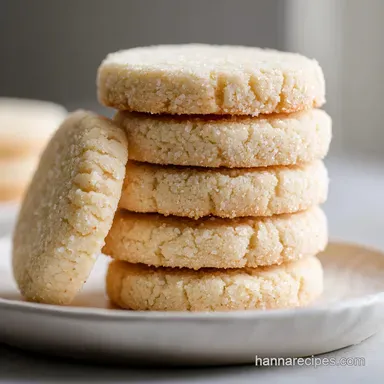
Buttery Shortbread Cookies: Shatter Crisp
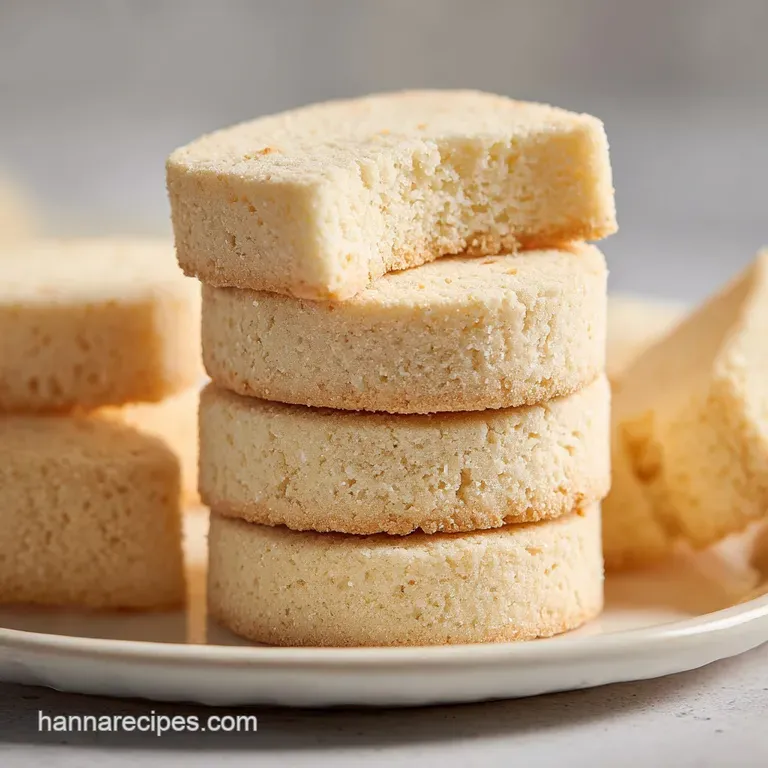
- Time:10 minutes active + 30 minutes chilling = 60 minutes total
- Flavor/Texture Hook: Velvety butter flavor with a delicate snap
- Perfect for: Tea time, holiday gifting, or a simple dessert
The Secret to Buttery Shortbread Cookies
Imagine that smell hitting you the second you open the oven door - a rich, nutty, toasted butter aroma that fills every corner of the kitchen. It's not just a scent; it's the smell of fat caramelizing slowly at a low temperature.
I remember the first time I tried to make these, and I thought "more butter is always better." I ended up with a puddle of grease on my baking sheet because I didn't understand the role of temperature.
The magic is actually in the butter. Not just any butter, but butter that is softened yet still cool to the touch. When you cream it with powdered sugar, you're creating tiny air pockets that make the cookie feel light rather than like a heavy slab of dough.
If the butter is too warm, those pockets collapse, and you lose that signature melt in-your mouth feel.
Trust me on this, the difference between a cookie that shatters and one that's just "sandy" is the chill. Putting those cut shapes in the fridge for 30 minutes is the only way to ensure they keep their shape. Right then, let's get into the science of how to make this foolproof.
The Physics of Texture
To get that specific snap, we have to manipulate the ingredients to prevent gluten from forming. Since there's no leavening agent like baking powder, the structure comes entirely from the fat and the flour.
- Fat Coating: The butter coats the flour particles, which physically blocks water from hydrating the proteins, stopping gluten development.
- Sugar Crystallization: Powdered sugar is much finer than granulated sugar, meaning it dissolves faster and creates a velvety crumb.
- Thermal Shock: Chilling the dough firms the butter, so it melts slowly in the oven, keeping the cookie thick.
- over Low heat Setting: Baking at a lower temperature prevents the edges from browning before the center sets.
| Thickness | Bake Time | Texture | Best For |
|---|---|---|---|
| 1/4 inch | 12-15 mins | Crisp/Snap | Dipping in tea |
| 3/4 inch | 18-20 mins | Tender/Melt | Classic shortbread |
| 1 inch | 22-25 mins | Soft Center | Dessert wedges |
Essential Component Breakdown
Everything in this recipe has a job. If you swap something out without knowing why it's there, you'll likely end up with a cookie that either spreads too much or tastes like raw flour.
| Ingredient | Science Role | Pro Secret |
|---|---|---|
| Unsalted Butter | Structural Fat | Use European style butter for higher fat content |
| Powdered Sugar | Texture Modifier | Sift it first to avoid tiny lumps in the dough |
| All Purpose Flour | Bulk/Structure | Measure by weight to avoid over packing the cup |
| Salt | Flavor Balancer | Use fine sea salt to ensure even distribution |
The Pantry List
For the best results, keep your butter at about 65°F (18°C) - it should give slightly when pressed but not look glossy or melted.
- 1 cup (225g) unsalted butter, softened but cool Why this? Provides the essential fat for that melt away texture
- ½ cup (60g) powdered sugar Why this? Ensures a finer crumb than granulated sugar
- 2 cups (250g) all purpose flour Why this? Provides the structure without too much chew
- ½ tsp (3g) salt Why this? Cuts through the richness of the butter
Smart Ingredient Swaps
| Original Ingredient | Substitute | Why It Works |
|---|---|---|
| Unsalted Butter | Salted Butter | Same fat content. Note: Omit the added salt from the recipe |
| Powdered Sugar | Superfine Sugar | Similar texture. Note: May result in a slightly grainier bite |
| All Purpose Flour | gluten-free Blend | Works well. Note: Use a blend with xanthan gum for better hold |
Don't even bother with margarine or low-fat spreads here. The moisture content is too high, and you'll end up with a flat, greasy disk instead of a cookie.
Necessary Baking Gear
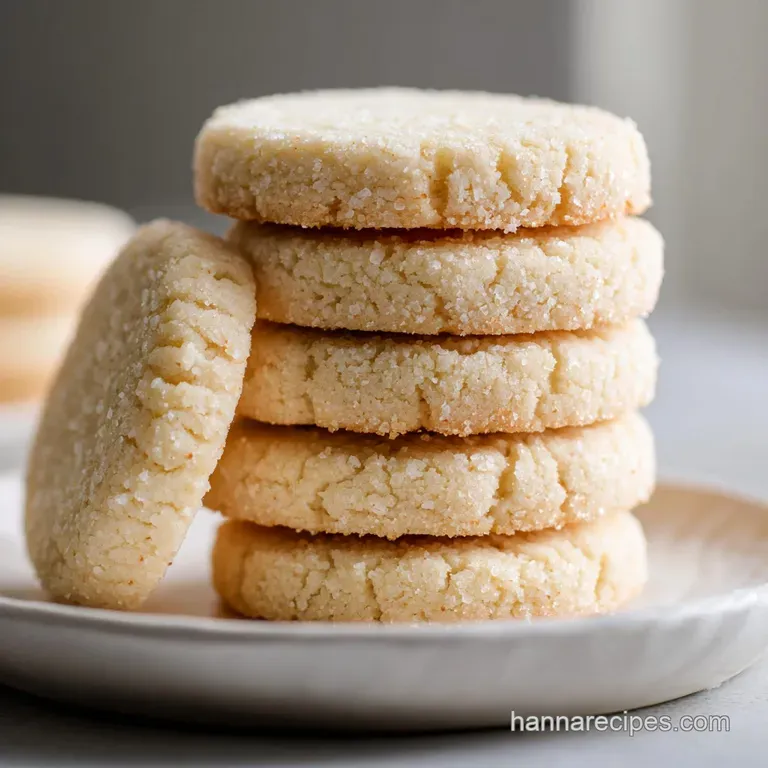
You don't need a professional kitchen, but a few tools make this process much smoother. A stand mixer such as KitchenAid is great, but a hand mixer works just as well for this small batch.
- Electric mixer (hand or stand)
- Baking sheets (two, so you can rotate them)
- Parchment paper or silicone mats (non stick is key)
- Rolling pin
- Cookie cutters or a sharp knife
- Digital kitchen scale (for precision)
Step by step Method
Let's crack on. Follow these steps exactly - the timing and temperature are where the magic happens.
- Beat the softened butter and powdered sugar together on medium speed until the mixture looks pale, light, and fluffy. Note: This incorporates air for a lighter bite
- Slowly add the flour and salt. Mix on the lowest speed just until a soft dough ball forms, stopping immediately once the streaks of flour disappear.
- Turn the dough onto a lightly floured surface.
- Roll the dough to a 3/4 inch thickness. Note: Use a ruler or your thumb for consistency
- Cut into desired shapes using a cookie cutter or knife.
- Place shapes on a tray and refrigerate for 30 minutes. Note: This is the most important step for shape retention
- Preheat your oven to 325°F (160°C).
- Bake for 18-20 minutes until the edges are very pale gold and the centers are set.
- Let the cookies cool on the pan for 5 minutes before moving them to a wire rack.
Solving Common Bake Errors
Baking is just chemistry you can eat. When things go wrong, it's usually a matter of temperature or over mixing.
Why Your Cookies Spread Too Much
If your cookies look like pancakes, your butter was likely too warm when you started, or you skipped the chilling phase. Once the butter melts before the flour can set, there's nothing to hold the structure up.
Why Your Dough is Too Crumbly
This usually happens if the butter was too cold or you over mixed the flour. Over mixing develops gluten, which makes the dough tough and prone to cracking.
| Problem | Root Cause | Solution |
|---|---|---|
| Flat cookies | Butter too warm | Chill dough for 30 mins before baking |
| Tough texture | Over mixing flour | Mix on low and stop as soon as flour vanishes |
| Browned edges | Oven too hot | Use an oven thermometer to verify 325°F |
Preventative Checklist
- ✓ Pat the baking sheet with a little flour or use parchment to prevent sticking.
- ✓ Use a digital scale to weigh the flour (250g) for foolproof results.
- ✓ Keep the oven door closed until the 15 minute mark to maintain steady heat.
- ✓ Ensure butter is "cool soft" - not oily or melting.
- ✓ Let cookies cool completely before stacking to prevent them from softening.
Flavor Variations
Once you've nailed the base, you can play around with the flavor. Shortbread is a blank canvas. For a more modern twist, you could try topping these with a cream cheese glaze, similar to how I do it with my Fruit Pizza Cookies.
- Citrus Zest: Add the zest of one lemon or orange to the sugar for a bright, fresh hit.
- Brown Butter: Melt the butter and cook until nutty and brown, then let it solidify back to a soft state before mixing.
- Maple Glaze: Mix powdered sugar, a splash of maple syrup, and a tiny bit of milk for a drizzle.
- Spiced: Add 1/2 tsp of cinnamon and a pinch of nutmeg for a Christmas vibe.
The Texture Decision
- If you want a snap: Roll the dough thinner (1/4 inch) and bake for 12 mins.
- If you want a melt: Stick to 3/4 inch and bake for 20 mins.
- If you want a crunch: Dust the tops with coarse sanding sugar before baking.
Freshness and Scraps
Shortbread keeps surprisingly well because of the high fat content, which acts as a natural preservative.
Storage Guidelines Store these in an airtight container at room temperature for up to 7 days. If you want them to last longer, they stay fresh in the fridge for 2 weeks. For long-term storage, freeze them for up to 3 months.
Just thaw them at room temperature for 20 minutes before eating.
Zero Waste Tips Don't throw away the dough scraps! Gather all the leftover bits, gently press them together (don't over knead), roll them out again, and cut more cookies. If you have a tiny bit left that's too small to shape, roll it into a ball and flatten it into a "rustic" coin. It'll bake just as well as the shaped ones. Since these have a similar buttery profile to Chewy Chocolate Chip Cookies, they share the same cookie jar space perfectly.
Final Visual Touches
Since these cookies are pale, the presentation is all about the details. A shortbread cookie should look ivory, not brown.
- The Fork Press: For a traditional look, use a fork to prick the top of the dough before baking.
- Sugar Dusting: Sift a light layer of powdered sugar over the cooled cookies for a snow like finish.
- Chocolate Dip: Dip half of the cooled cookie into melted dark chocolate and sprinkle with flaky sea salt.
- Edge Trim: Use a round cutter to trim the edges of a large baked slab for a professional, clean look.
Recipe FAQs
What is the secret to making good shortbread?
Avoid overmixing the flour. Stop mixing the moment a soft dough ball forms to ensure the cookies remain tender and crumbly rather than tough.
What is the 321 rule for shortbread?
It is a ratio of three parts flour, two parts butter, and one part sugar. This classic proportion creates the traditional rich, sandy texture of the biscuit.
What is the 123 rule for shortbread?
It is the same as the 321 rule, just listed in reverse order. It refers to one part sugar, two parts butter, and three parts flour.
Is shortbread Scottish or English?
Shortbread is Scottish. It originated in Scotland as a luxury treat using high-quality butter.
How to prevent shortbread cookies from spreading in the oven?
Refrigerate the cut dough for 30 minutes before baking. Chilling the butter helps the cookies hold their shape when they hit the 325°F oven.
Why did my shortbread cookies turn out too hard?
Overworking the dough is the likely cause. Mixing the flour too long develops gluten, which transforms a melt-in-your-mouth texture into a hard cookie.
How to store shortbread cookies to keep them fresh?
Store in an airtight container at room temperature. This prevents the cookies from absorbing moisture and keeps the edges crisp.
Shortbread Cookies in 1 Hour: Buttery and Shatter Crisp