Carrot Cake Pecan Cookies: Chewy and Spiced
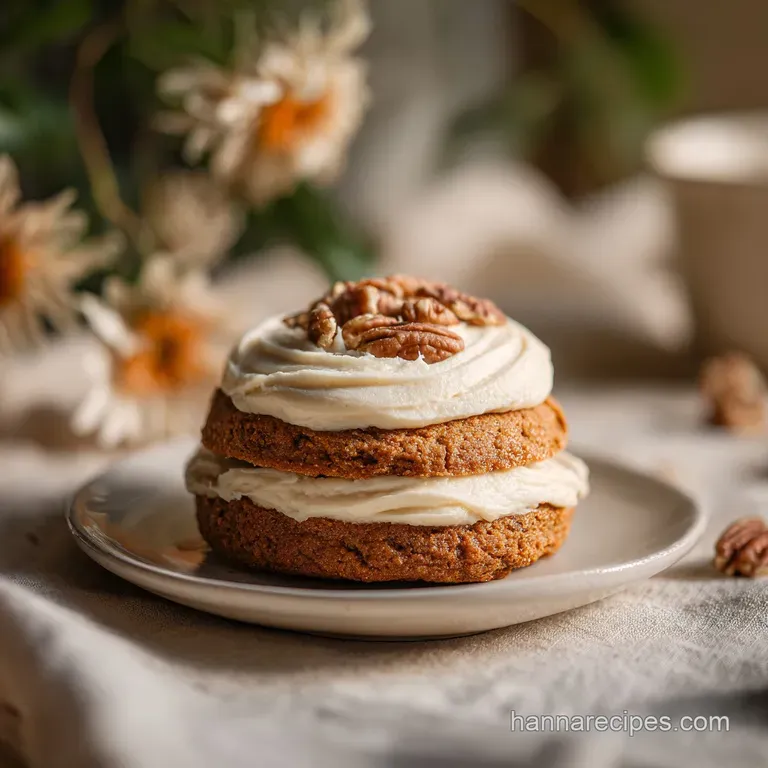
- Time:25 minutes active + 42 minutes baking/chilling = 67 minutes total
- Flavor/Texture Hook: Chewy spiced crumb with crunchy toasted pecans and zesty citrus frosting
- Perfect for: Spring brunches, bake sales, or weekend meal prep treats
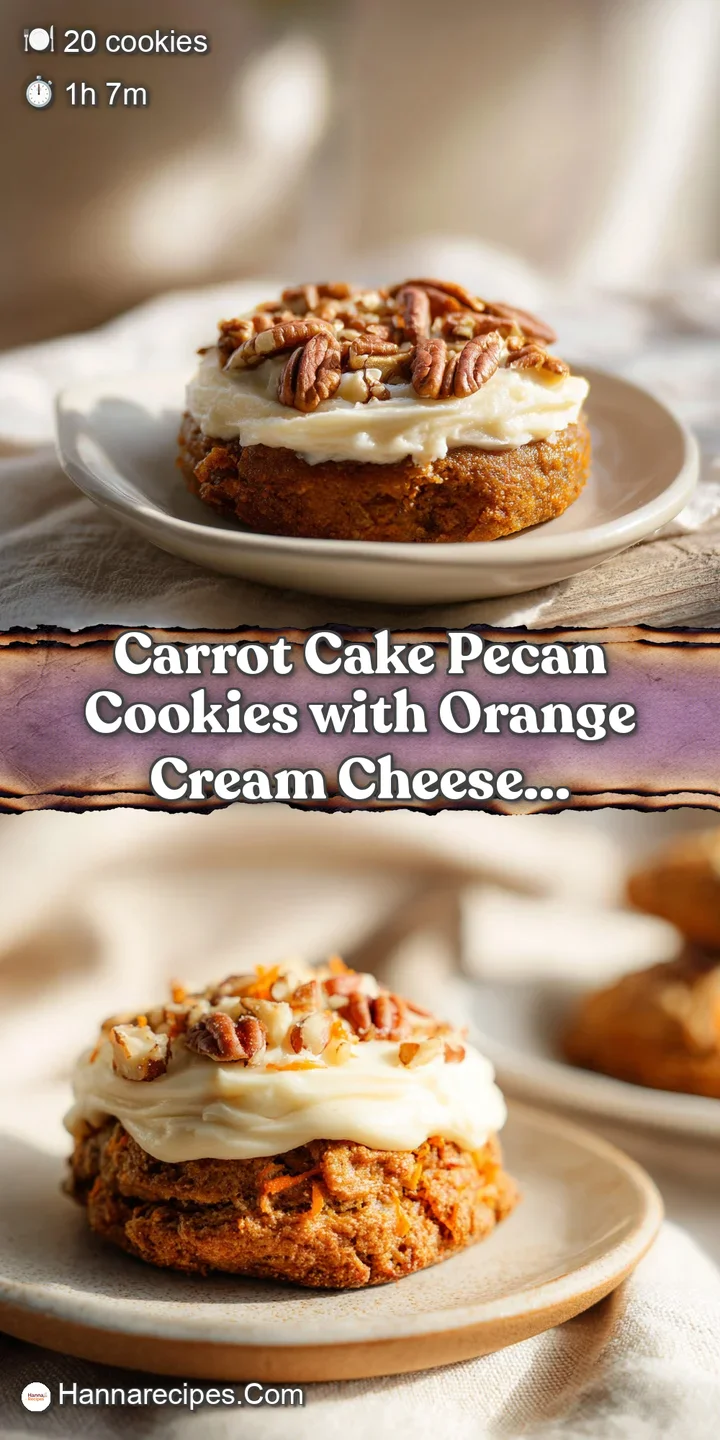
- Perfect Carrot Cake Pecan Cookie with Orange Cream Cheese Frosting
- Solving the Soggy Carrot Cookie
- Precision Measurements for Perfect Cookies
- Quality Ingredients for Better Flavor
- Essential Tools for Consistent Baking
- Mastering the Step-By-Step Process
- Fixing Common Cookie Texture Issues
- Creative Flavor Twists to Try
- Proper Storage and Freezing Methods
- Best Pairings for Spiced Treats
- Debunking Cookie Baking Myths
- Recipe FAQs
- 📝 Recipe Card
Perfect Carrot Cake Pecan Cookie with Orange Cream Cheese Frosting
Have you ever bitten into a carrot cake cookie expecting a chewy, decadent treat, only to find a texture that feels more like a wet sponge or a sad, flat muffin top? It’s a common frustration in the baking world.
Most recipes treat the carrots like a garnish, but their high water content acts like a steam engine inside your oven. Instead of the sugars caramelizing into a chewy edge, the excess moisture poofs the dough up and leaves it soft and flavorless.
I once made a batch for a friend’s birthday that literally turned into one giant, orange pancake because I didn't respect the liquid levels in those carrots.
This article shares one incredible recipe for Carrot Cake Pecan Cookie with Orange Cream Cheese Frosting that fixes those structural failures. We aren't just throwing shredded carrots into a bowl and hoping for the best.
We are going to treat the ingredients with a bit of precision to ensure the result is a cookie that actually behaves like a cookie. You want that satisfying resistance when you bite through the edges, leading into a center that is dense, spiced, and rich.
When you pull these out of the oven, the aroma of toasted pecans and warm cinnamon will fill your kitchen. The cookies will look rustic and golden, but the real magic happens once they cool and we hit them with that zesty orange frosting.
It’s the kind of bake that makes people stop talking and start reaching for seconds. Let's get into the "how" and "why" so your first batch is exactly what you've been craving.
Solving the Soggy Carrot Cookie
The secret to a successful carrot cake cookie isn't in adding more flour; it's in managing the moisture migration. When carrots bake, they release cellular water. If that water stays in the dough, it interacts with the flour to create excess gluten and steam, leading to a "cakey" texture rather than a "chewy" one.
By wringing out the carrots until they are a dry pulp, we remove that obstacle, allowing the brown sugar to do its job of creating a fudgy, dense interior.
- Moisture Displacement: Removing carrot juice prevents the steam from inflating the cookie into a muffin like shape.
- Cold Fat Integration: Chilling the dough for exactly 30 minutes allows the softened butter to re solidify, which slows down the spread in the oven.
- Starch Gelatinization: The 350°F environment quickly sets the edges while the baking soda reacts with the acidic brown sugar to provide just enough lift without the "cake" poof.
- Protein Denaturation: The egg provides the necessary structure to hold the heavy pecans and carrots in suspension during the bake.
| Thickness | Internal Temp | Rest Time | Visual Cue |
|---|---|---|---|
| 0.5 inch | 175°F-185°F | 10 minutes | Edges are deep gold; center looks slightly under baked |
| 0.75 inch | 180°F-190°F | 12 minutes | Surface shows small cracks; pecans look glossy |
| 1.0 inch | 190°F+ | 15 minutes | Firm to the touch on the sides; no wobbling in center |
This table helps you decide exactly when to pull them out. If you like a softer, almost doughy center, aim for the 175°F mark. For a sturdier cookie that holds up well to heavy frosting, let them hit that 185°F range.
Precision Measurements for Perfect Cookies
Baking is a game of ratios, and this recipe relies on the balance between the fats in the pecans and butter versus the sugars in the carrots and frosting. If you scale this recipe, you have to be careful. If you decide to double the batch for a big party, don't just double the spices.
Use a 1.5x rule for the cinnamon and nutmeg, or the flavor will become medicinal rather than warm. If you're cutting the recipe in half, beat one large egg in a small cup and use exactly half by weight to keep the moisture balance correct.
For those of you looking for a quick decision on how to handle the pecans, remember that toasting isn't optional. It changes the chemical structure of the oils in the nut, making them "shatter" when bitten rather than being soft and chewy.
If you're in a rush, you might be tempted to skip it, but your texture will suffer.
| Feature | Fresh Carrots (Recipe) | Pre Shredded Bagged | Outcome Impact |
|---|---|---|---|
| Moisture | High (must be wrung) | Very Low/Dry | Bagged is too dry; cookies won't bind well |
| Texture | Fine, supple shreds | Thick, woody sticks | Bagged creates "hairy" looking cookies |
| Flavor | Sweet, earthy | Muted/Bland | Fresh provides the signature sweetness |
Quality Ingredients for Better Flavor
To get the best results, every component in this recipe serves a specific purpose. We aren't just using "carrots" and "sugar"; we are using ingredients that react together to create a specific crumb.
For example, using light brown sugar is vital because the molasses content provides the acidity needed to activate the baking soda.
The Component Analysis
| Ingredient | Science Role | Pro Secret |
|---|---|---|
| Carrots (1.5 cups) | Provides bulk and natural sugars | Use the smallest holes on your grater for better integration |
| Pecans (1 cup) | Adds fat and structural crunch | Toast until you smell them; "fragrant" means the oils are ready |
| Brown Sugar (1 cup) | Humectant for moisture and chew | Pack it tight to ensure the correct volume to weight ratio |
| Orange Zest (1 tbsp) | Cuts the richness of the fat | Only grate the orange part; the white pith is bitter |
For the Pecan Carrot Cake Cookies
- 1.5 cups carrots: Finely grated and moisture removed (approx. 150g). Why this? Freshly grated carrots provide natural sweetness that pre bagged versions lack.
- 1 cup pecans: Chopped and toasted (110g). Why this? Toasting creates a "shatter" texture and deepens the nutty profile.
- 1 cup unsalted butter: Softened (226g). Why this? Softened butter creams with sugar to trap air for a light crumb.
- 1 cup light brown sugar: Packed (200g). Why this? Molasses in brown sugar ensures a chewy, fudgy center.
- 0.5 cup granulated sugar: (100g). Why this? White sugar helps the edges become crisp and golden.
- 1 large egg: Room temperature. Why this? Room temp eggs emulsify better, preventing the dough from breaking.
- 2 tsp pure vanilla extract: For depth.
- 2.25 cups all purpose flour: (280g). Why this? The protein content is ideal for a cookie that isn't too tough.
- 1.5 tsp ground cinnamon: The primary warm spice.
- 0.5 tsp ground ginger: Adds a subtle "bite" to the background.
- 0.25 tsp ground nutmeg: Enhances the earthy carrot flavor.
- 1 tsp baking soda: The leavening agent.
- 0.5 tsp fine sea salt: To balance the intense sweetness.
For the Orange Cream Cheese Frosting
- 8 oz full fat cream cheese: Softened (225g). Why this? Fat provides the velvety mouthfeel; never use low-fat here.
- 0.5 cup unsalted butter: Softened (113g). Why this? Stabilizes the cream cheese so it doesn't run off the cookie.
- 3 cups powdered sugar: Sifted (360g). Why this? Sifting prevents tiny lumps in your smooth frosting.
- 1 tbsp orange zest: Freshly grated. Why this? Provides the essential citrus aroma.
- 1 tbsp orange juice: Fresh squeezed.
- 1 pinch salt: To sharpen the citrus notes.
Essential Tools for Consistent Baking
You don't need a professional bakery setup, but a few specific items make this much easier. A box grater with fine holes is much better than a food processor here because it creates thin, supple strands of carrot that melt into the dough.
If you use a food processor, you often end up with chunks that stay hard in the oven.
A kitchen scale is your best friend. While I’ve provided cup measurements, measuring flour by weight (280g) ensures you don't accidentally pack the cup and end up with a dry, crumbly cookie. Also, a clean kitchen towel or cheesecloth is mandatory.
You’ll be surprised how much water comes out of 1.5 cups of carrots usually about 1/4 cup of juice!
Chef's Tip: Use a spring loaded cookie scoop to ensure every cookie is exactly the same size. This ensures they all finish baking at the 12 minutes mark simultaneously, so you don't have some burnt and some raw.
Mastering the step-by-step Process
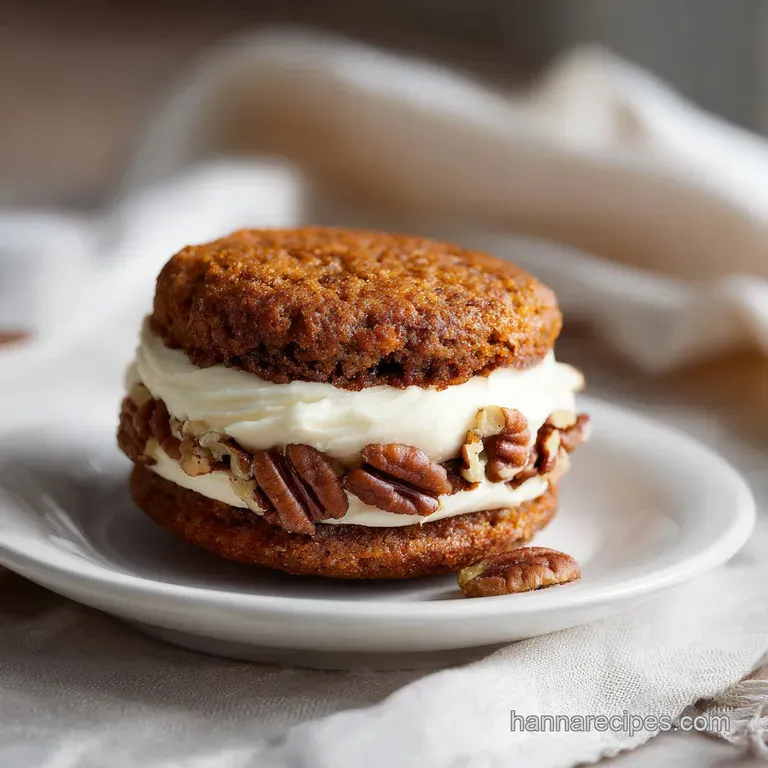
Follow these steps exactly. The timing and temperatures are calculated to work with the chemistry of the ingredients.
Phase 1: Prep the "Secret" Ingredients
- Toast the pecans. Place chopped pecans in a dry skillet over medium heat or in a 350°F oven for about 5-7 minutes. Cook until fragrant and slightly darkened. Set them aside to cool completely before adding to the dough.
- Dry the carrots. Finely grate your carrots. Place them in a clean kitchen towel and wring them out with all your strength. Continue until you have a dry, compressed pulp. This is the most important step for texture!
Phase 2: Create the Spiced Dough
- Cream the fats and sugars. In a large bowl (or stand mixer), cream 1 cup of butter with both sugars. Beat for 3 minutes until light and fluffy. Note: This aeration creates the foundation for the cookie's rise.
- Incorporate liquids. Beat in the egg and vanilla extract. Mix until the streaks of yellow disappear.
- Whisk dry ingredients. In a separate medium bowl, combine flour, cinnamon, ginger, nutmeg, baking soda, and salt.
- Combine the mixtures. Gradually add the dry ingredients to the wet. Mix until just combined. Do not overwork the dough, or the cookies will become tough like bread.
- Fold in the texture. Gently fold in the dried carrot pulp and the toasted pecans using a spatula.
Phase 3: Chill and Bake
- The cold rest. Chill the dough in the refrigerator for 30 minutes. Wait until the dough feels firm to the touch. This prevents the butter from melting too fast in the oven.
- Prepare for heat. Preheat your oven to 350°F (175°C). Line two baking sheets with parchment paper.
- Scoop and bake. Scoop rounded tablespoons of dough onto the sheets. Bake for 10-12 minutes until edges are golden brown. Note: The centers will still look a bit soft; they will firm up as they cool.
Phase 4: The Citrus Finish
- Cooling period. Let the cookies sit on the tray for 5 minutes, then move them to a wire rack. Wait until completely cool to the touch before frosting.
- Whip the frosting. Beat 8 oz cream cheese and 0.5 cup butter until silky. Add powdered sugar, orange zest, juice, and salt. Beat until light and airy.
- Final Assembly. Spread a generous amount of frosting on each cookie. If you're feeling fancy, sprinkle a little extra zest or a pecan half on top.
Fixing Common Cookie Texture Issues
Even with a foolproof recipe, the kitchen can throw curveballs. Usually, issues with these cookies come down to temperature either the oven's or the ingredients'. If your cookies are spreading too much, it’s almost always because the butter was too warm when the tray went in, or you didn't wring those carrots well enough.
Why Your Cookies Spread Too Much
If your cookies look like flat puddles, it’s a sign that the fat melted before the flour structure could set. This often happens if the kitchen is very warm or if you skip the chilling step. The water in the carrots can also contribute to this; water turns to steam, which thins the dough out.
| Problem | Root Cause | Solution |
|---|---|---|
| Cookies are flat/thin | Carrots were too wet | Wring carrots in a towel until no more juice escapes |
| Cookies are "cakey" | Over mixing the flour | Mix until just combined; stop as soon as white streaks vanish |
| Frosting is melting | Cookies were still warm | Wait 45-60 minutes for cookies to reach room temperature |
Common Mistakes Checklist
- ✓ Always toast your pecans; raw pecans will turn soft and mushy inside the dough.
- ✓ Never use "tub" cream cheese for the frosting; it has too much air and water, leading to a runny mess.
- ✓ Ensure your egg is at room temperature so it emulsifies properly with the creamed butter.
- ✓ Do not crowd the baking sheet; leave at least 2 inches between cookies to allow for heat circulation.
- ✓ Sift your powdered sugar if it looks even slightly lumpy; it’s impossible to beat lumps out of cream cheese.
Creative Flavor Twists to Try
Once you've mastered the base recipe, you can start playing with the "Kitchen Sink" approach. Many people love adding 0.5 cup of raisins or dried cranberries for an extra burst of sweetness.
If you do this, soak the dried fruit in warm water for 10 minutes and then pat them dry before adding; this prevents them from sucking the moisture out of your cookie dough.
If you are a fan of tropical flavors, you can swap half of the pecans for shredded sweetened coconut. It pairs beautifully with the orange zest in the frosting. For a truly decadent version, I sometimes like to make fruit pizza cookies which use a similar cream cheese base but with fresh berries on top.
If you want a deeper, more sophisticated flavor, try a Brown Butter Upgrade. Melt your butter in a pan until it smells nutty and shows little brown specks. Let it solidify back to a soft "room temperature" state before creaming it with the sugar.
This adds a toasted, toffee like note that complements the cinnamon perfectly.
Proper Storage and Freezing Methods
Because of the fresh carrots and the dairy heavy frosting, these cookies require a bit more attention than a standard chocolate chip cookie. You can't just leave them in a jar on the counter for a week.
- Refrigeration
- Store frosted cookies in a single layer in an airtight container for up to 5 days. The cold helps keep the frosting stable.
- Freezing
- You can freeze the unfrosted cookies for up to 3 months. Wrap them individually in plastic wrap and then place them in a freezer bag. To serve, thaw at room temperature and apply fresh frosting.
- Frosting Storage
- The orange cream cheese frosting can be made 3 days in advance and kept in the fridge. Give it a quick whip with a fork before using to restore the texture.
Zero Waste Tips: Don't throw away that carrot juice you wrung out! It’s packed with nutrients and sweetness. You can add it to a morning smoothie, use it as a base for a ginger carrot salad dressing, or even freeze it in an ice cube tray to drop into soups later.
The leftover orange peel (after zesting) can be simmered with water and a cinnamon stick to make your whole house smell like a bakery.
Best Pairings for Spiced Treats
These cookies are quite rich, so they pair best with beverages that have a bit of acidity or bitterness to cut through the cream cheese. A dark roast coffee or a spicy Chai tea is the traditional choice.
If you're serving these at a brunch, they go wonderfully with a crisp sparkling cider or even a mimosa, as the orange notes in the drink echo the zest in the frosting.
If you're looking for another dessert to round out a party spread, consider something with a different texture profile. A Creamy New York Cheesecake provides a similar tang but in a much denser, silkier format.
For a kids' party, I often serve these alongside small glasses of cold milk. The spices in the cookie make the milk taste almost like a milkshake. Whatever you choose, make sure the cookies are the star they’ve earned it!
Debunking Cookie Baking Myths
There’s a lot of "old wives' tales" in baking that can actually steer you in the wrong direction. Let’s clear a few up so you can bake with confidence.
- Myth 1: Raw carrots provide enough moisture. People think the carrots will "melt" and provide the liquid for the dough. In reality, as we discussed, that moisture is the enemy of a chewy cookie. You want the fiber and the sugar from the carrot, not the water.
- Myth 2: Adding more baking soda makes cookies softer. Over doing the leavening agent doesn't make things "soft"; it makes them taste like soap and can cause the cookies to rise and then collapse violently. Stick to the 1 tsp measurement for the perfect balance.
- Myth 3: Cream cheese frosting needs more sugar to stay stiff. If your frosting is runny, adding more sugar often just makes it heavy and cloying. The real fix is to ensure your butter and cream cheese weren't too soft (nearly melting) when you started. If it's runny, pop the whole bowl in the fridge for 20 minutes and beat it again.
By understanding the physics of the carrot and the chemistry of the fats, you're no longer just following a recipe you're mastering a technique. Enjoy your cookies, and don't be surprised if your friends start asking for the "secret" to that perfect chew!
Recipe FAQs
Is it true I can use store-bought pre-grated carrots for this recipe?
No, this is a common misconception. Pre-grated carrots are too dry and lack the fresh moisture content necessary to balance the texture, so you must finely grate fresh carrots yourself and wring them out to achieve the correct pulp consistency.
How to ensure the cream cheese frosting doesn't turn out runny?
Use only block style full fat cream cheese. Tub-style cream cheese contains too much air and water, which ruins the structural integrity of your frosting and prevents it from setting properly on the cookies.
Is it necessary to chill the cookie dough before baking?
Yes, chilling for 30 minutes is critical. This step hydrates the flour and firms up the butter, which prevents the cookies from spreading too thin in the oven; if you enjoyed mastering this technique, you can apply similar logic to the creamy filling stability required in other chilled desserts.
How to tell when these cookies are done baking?
Look for golden brown edges. Bake at 350°F (175°C) for 10-12 minutes; the centers may look slightly soft when you pull them out, but they will firm up perfectly as they cool on the wire rack.
Can I skip toasting the pecans if I am short on time?
No, do not skip this step. Toasting the pecans in a dry skillet or oven at 350°F until fragrant is essential, as raw nuts will turn soft and mushy inside the dough instead of maintaining a pleasant crunch.
How to avoid lumps in the orange cream cheese frosting?
Sift the powdered sugar before mixing. Even small lumps of sugar are nearly impossible to beat out once combined with cream cheese and butter, so sifting ensures a silky, airy finish.
Why is my room temperature egg important for the dough?
It ensures proper emulsification with the creamed butter. Using a room temperature egg prevents the fat from seizing or separating, which keeps the dough texture consistent throughout the creaming process.
Carrot Cake Pecan Cookies
Ingredients:
Instructions:
Nutrition Facts:
| Calories | 338 kcal |
|---|---|
| Protein | 2.8 g |
| Fat | 19.8 g |
| Carbs | 38.5 g |
| Fiber | 1.1 g |
| Sugar | 28.2 g |
| Sodium | 135 mg |
